Articles
Reflections for Students, Responders, and Leaders in Fire & EMS
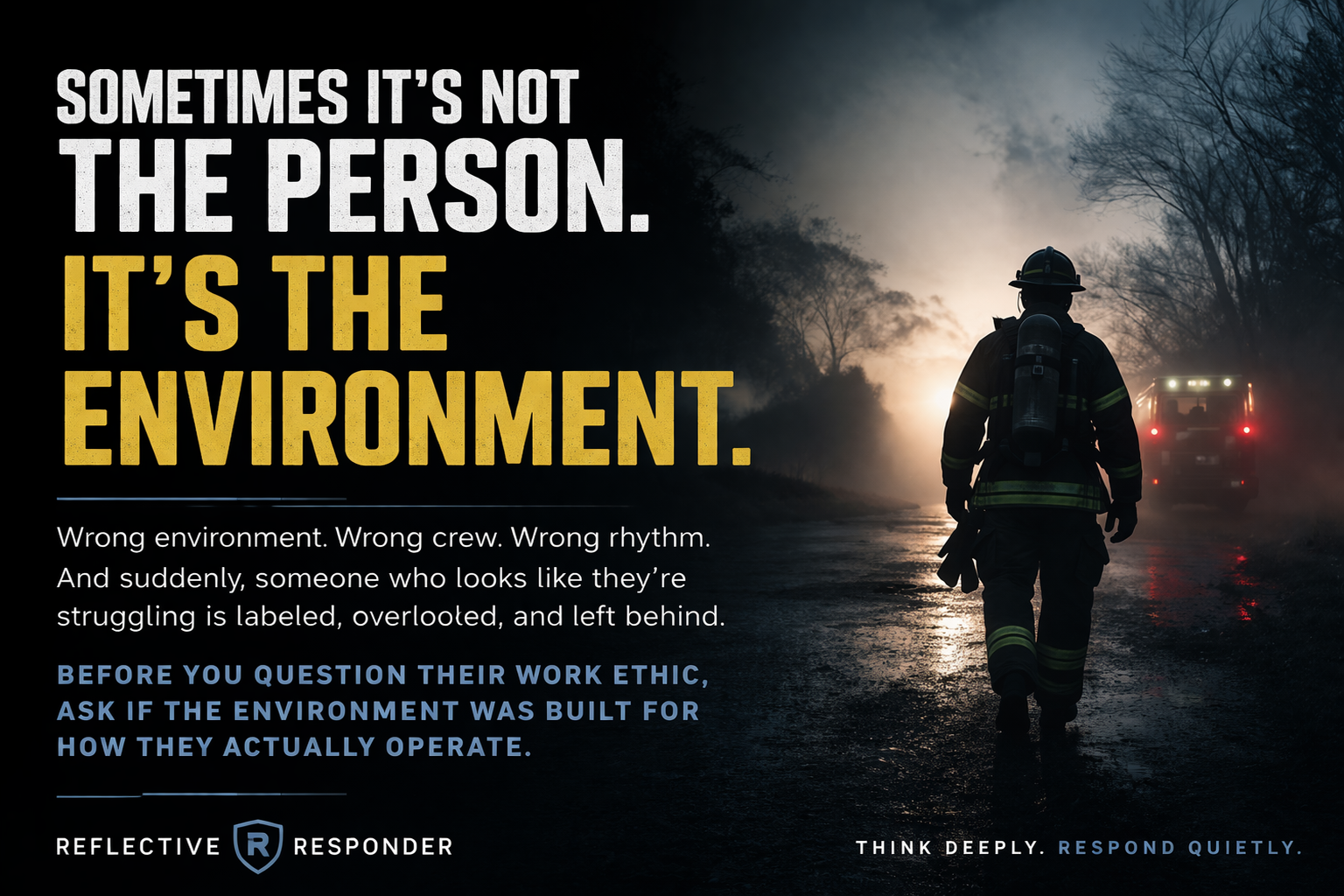
When the Environment Changes, the Person Doesn’t—But the Outcome Does
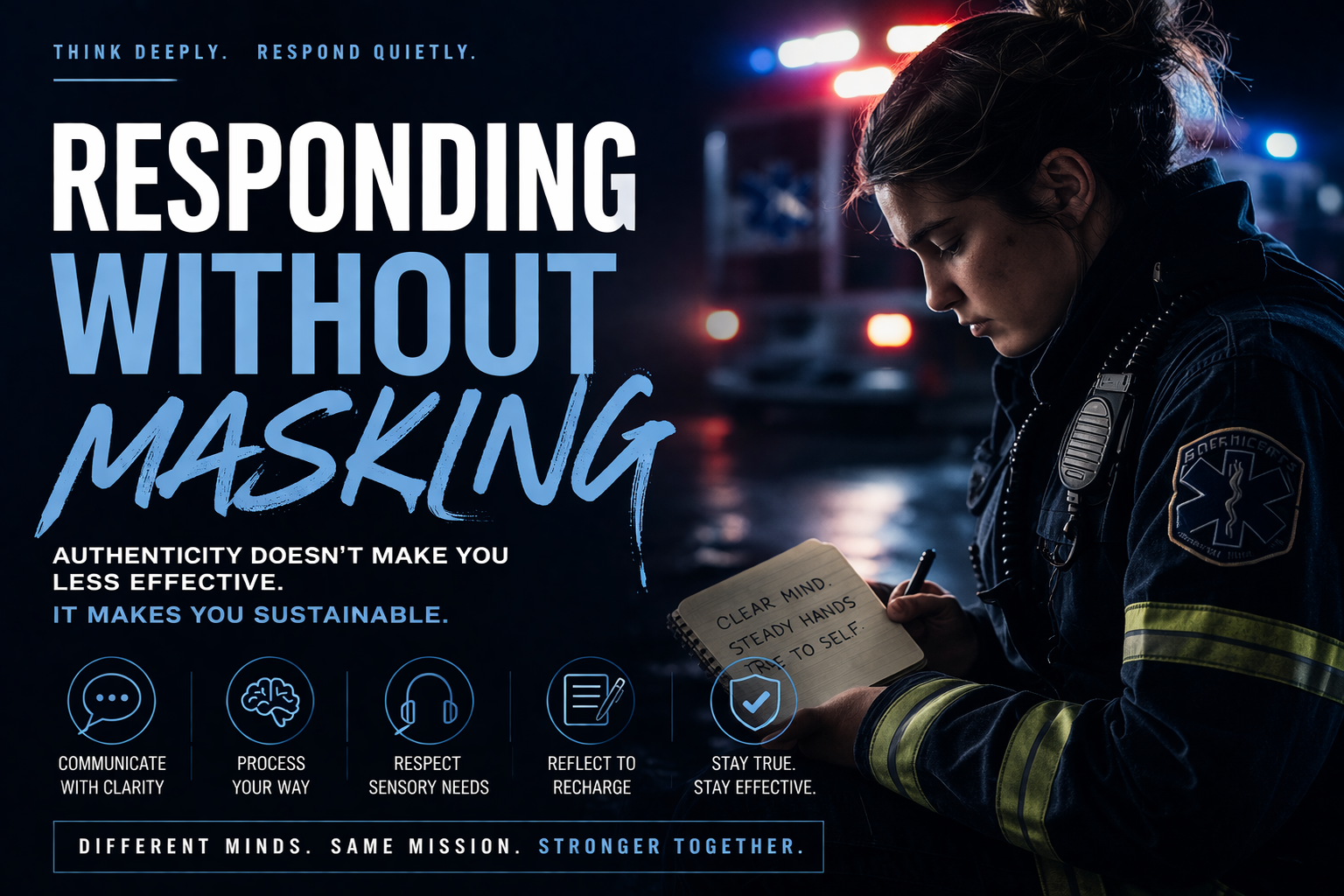
Responding Without Masking
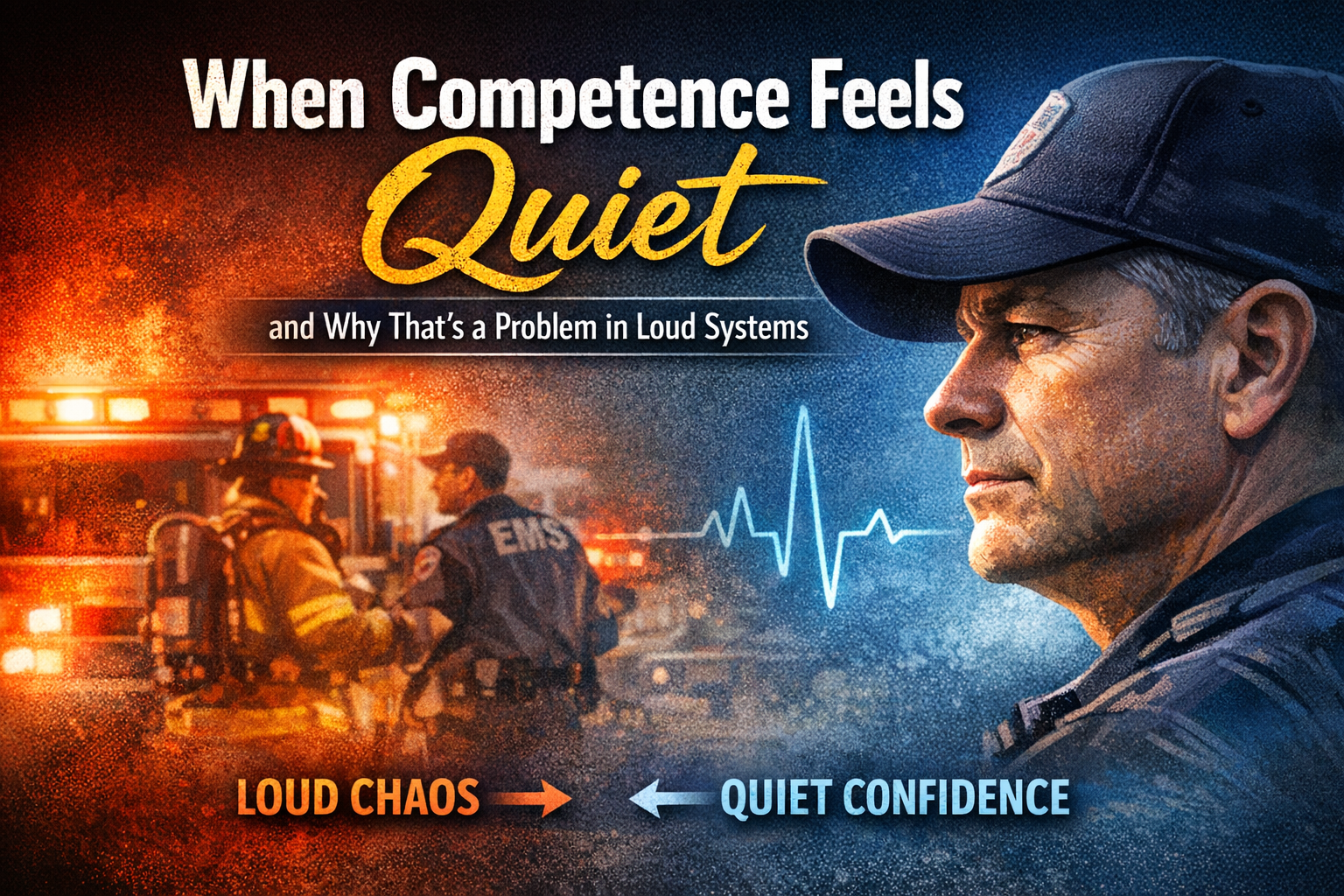
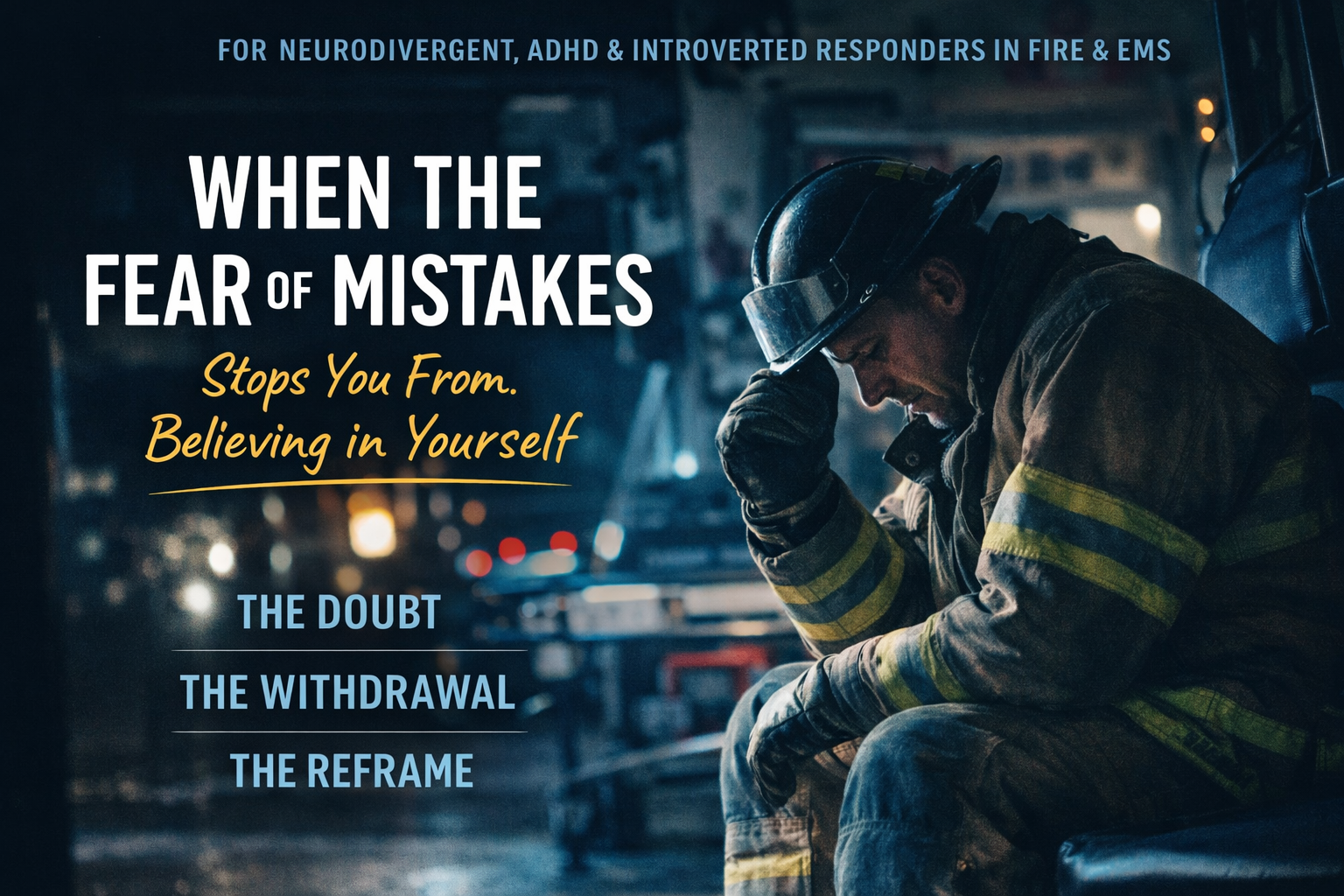
When the Fear of Mistakes Becomes the Barrier
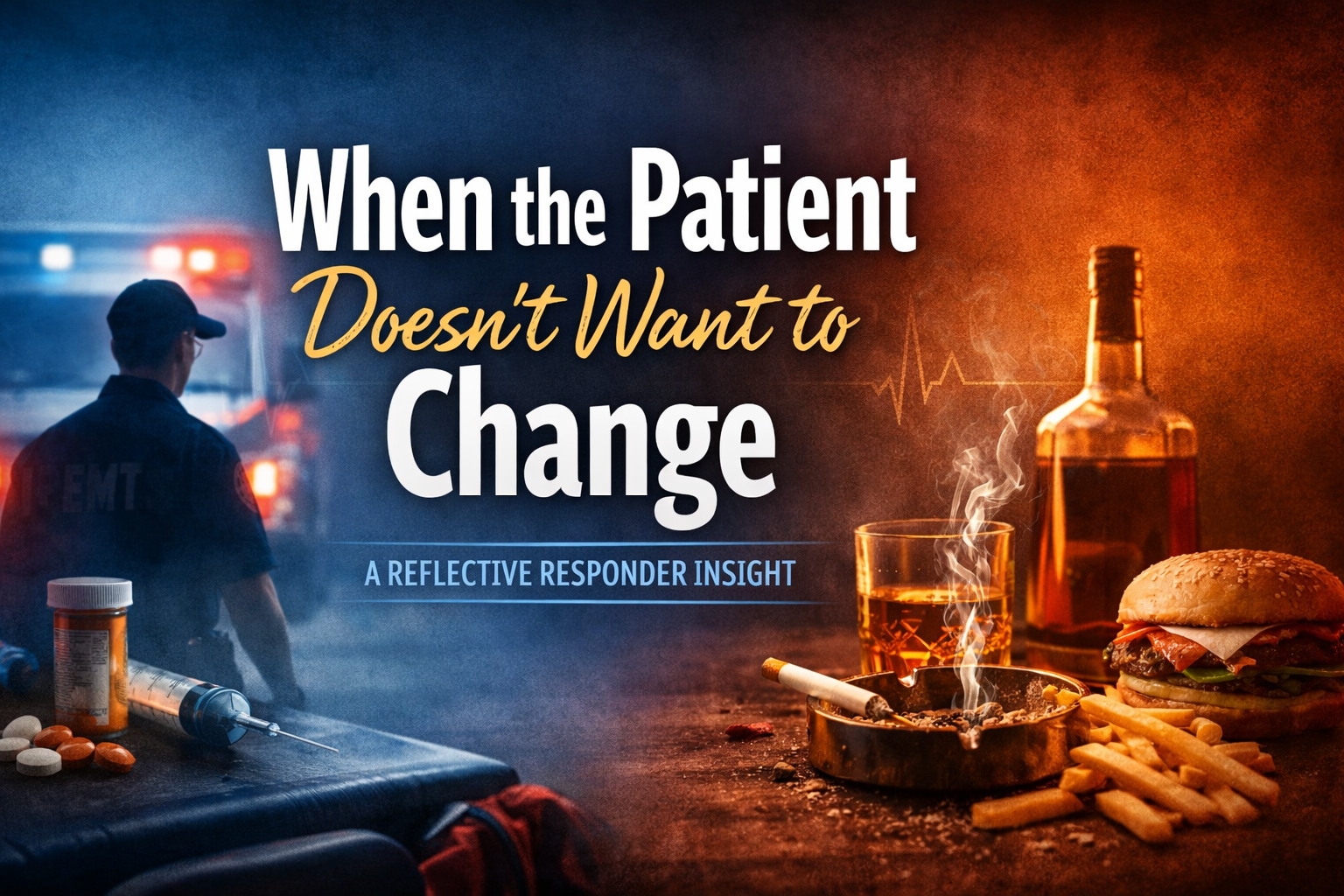
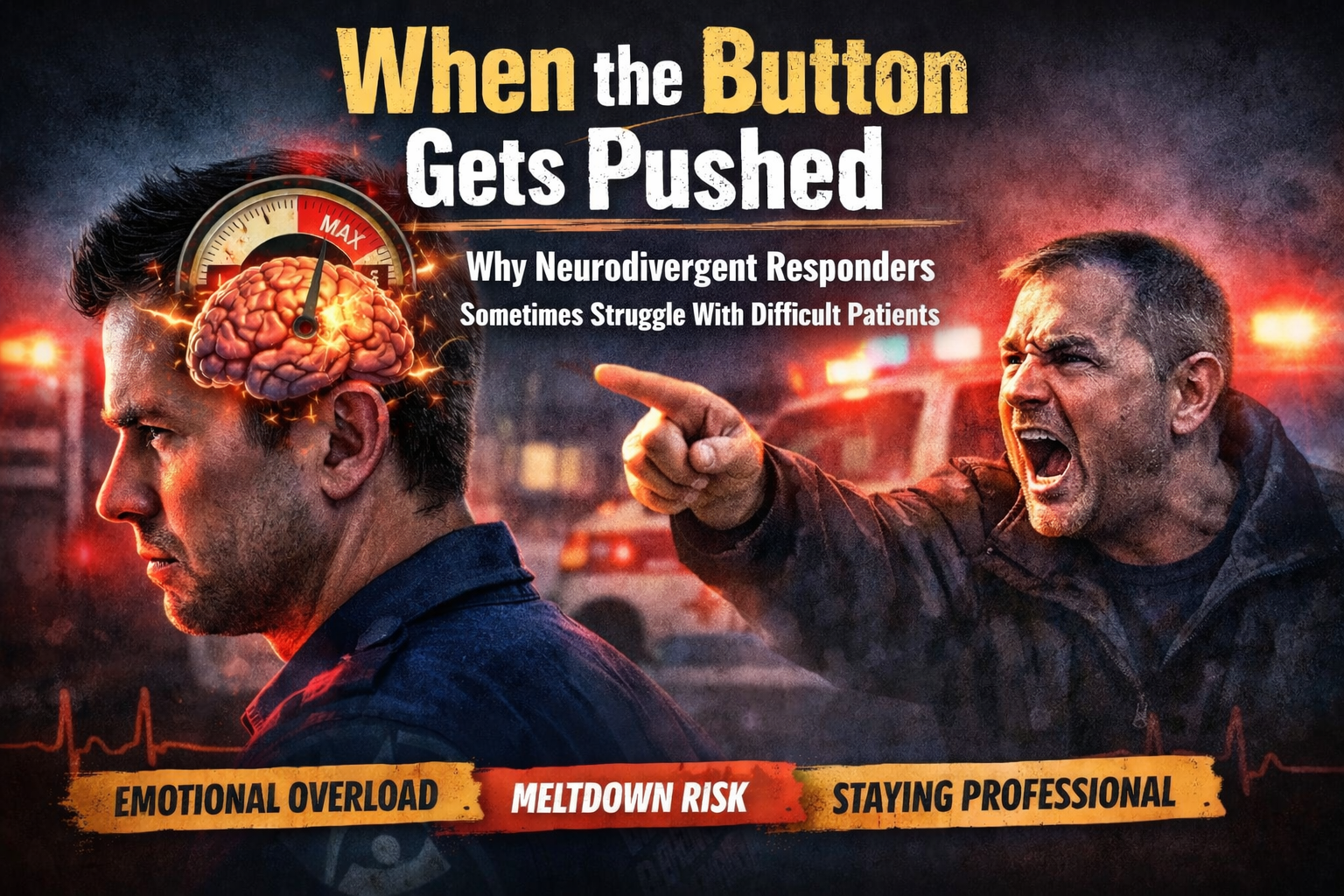
When the Button Gets Pushed
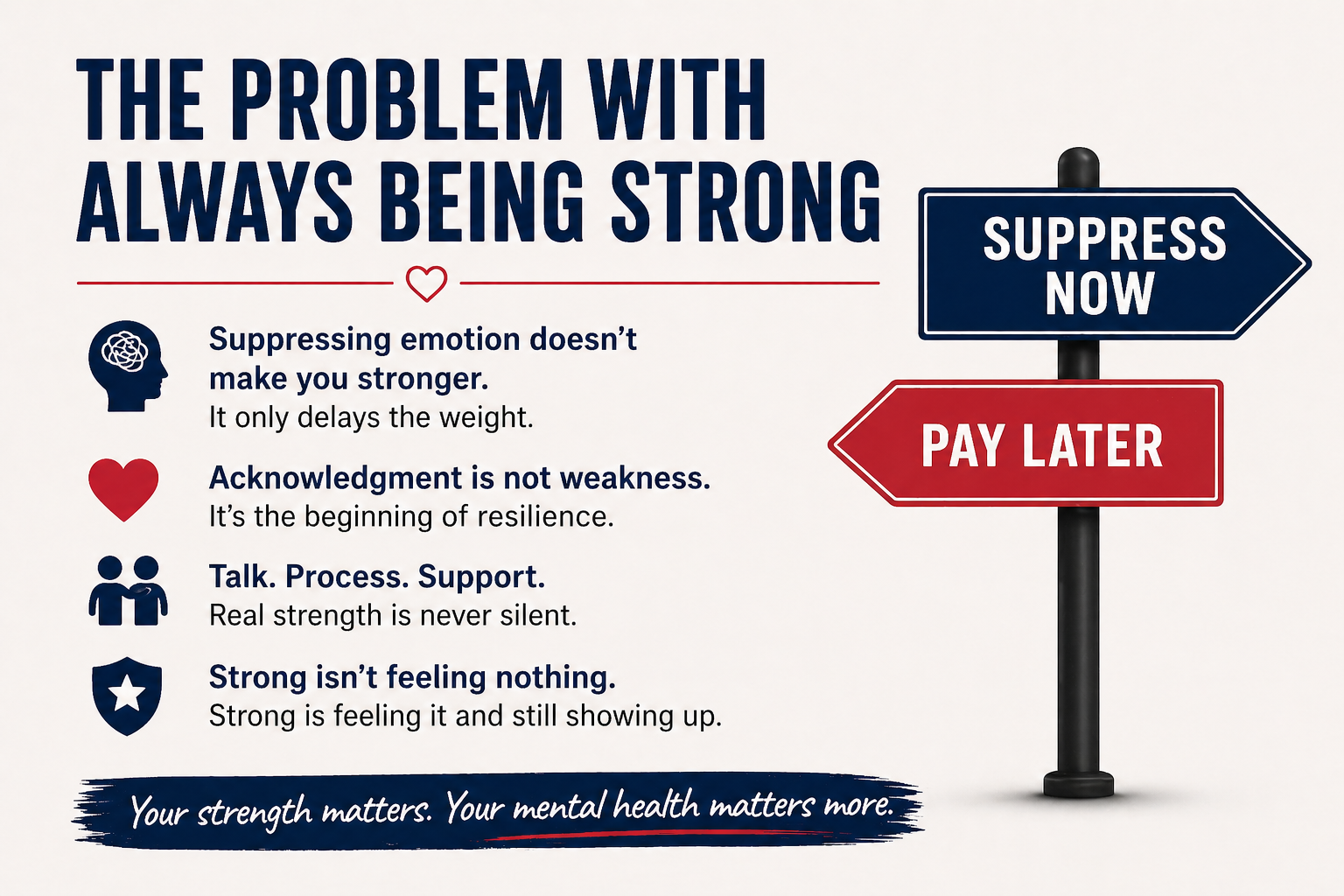
The Problem With Always Being Strong
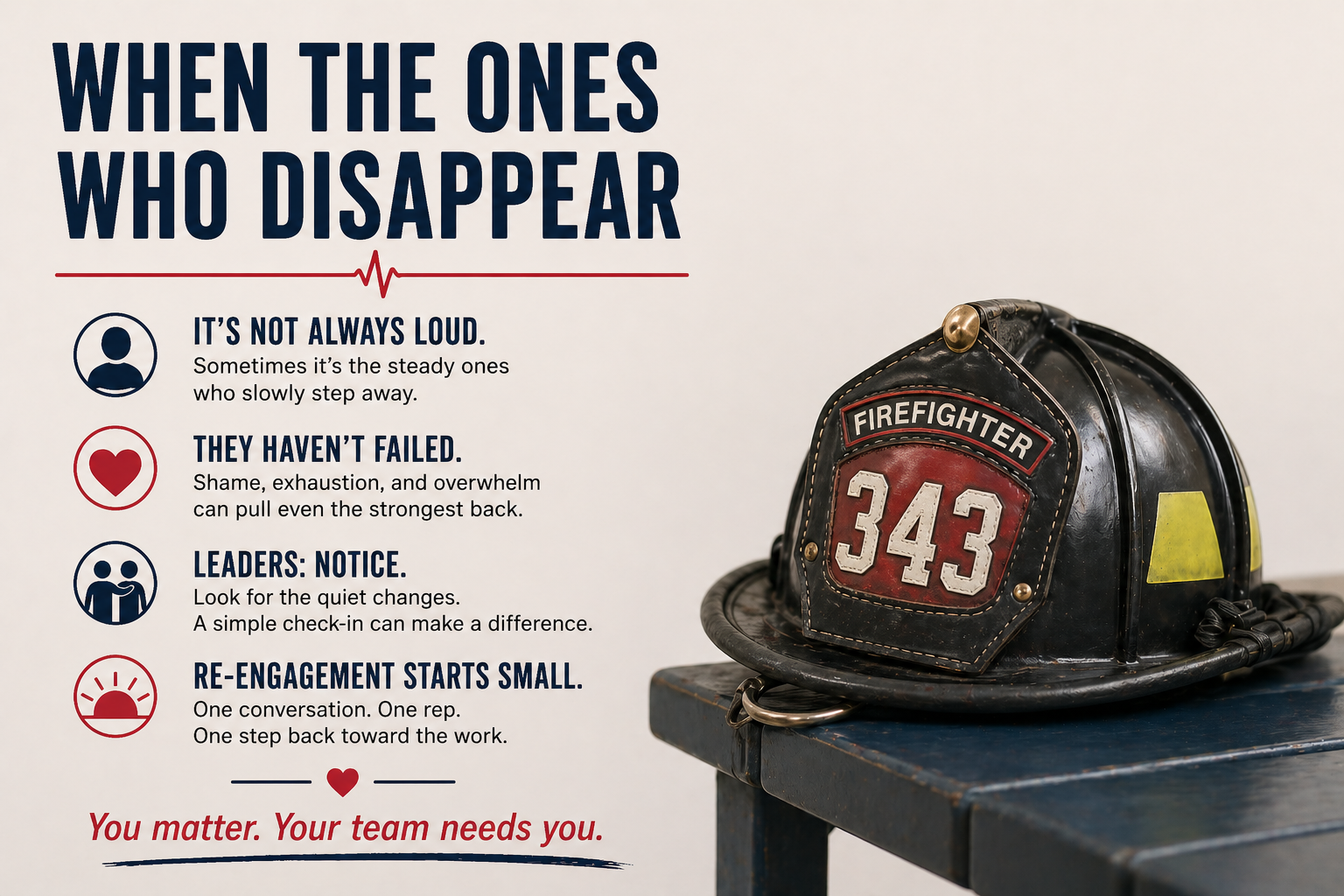
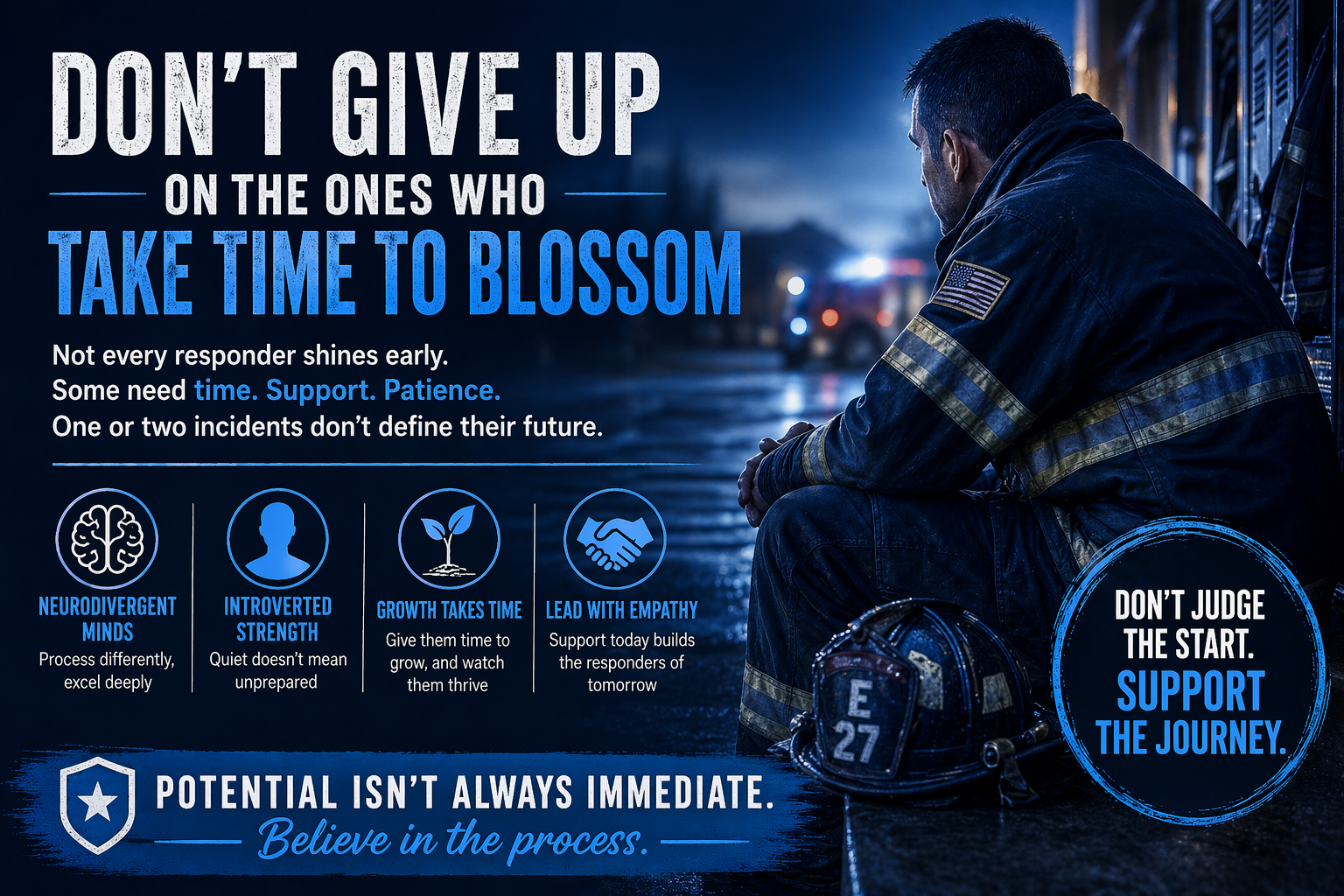
When the Ones Who Disappear
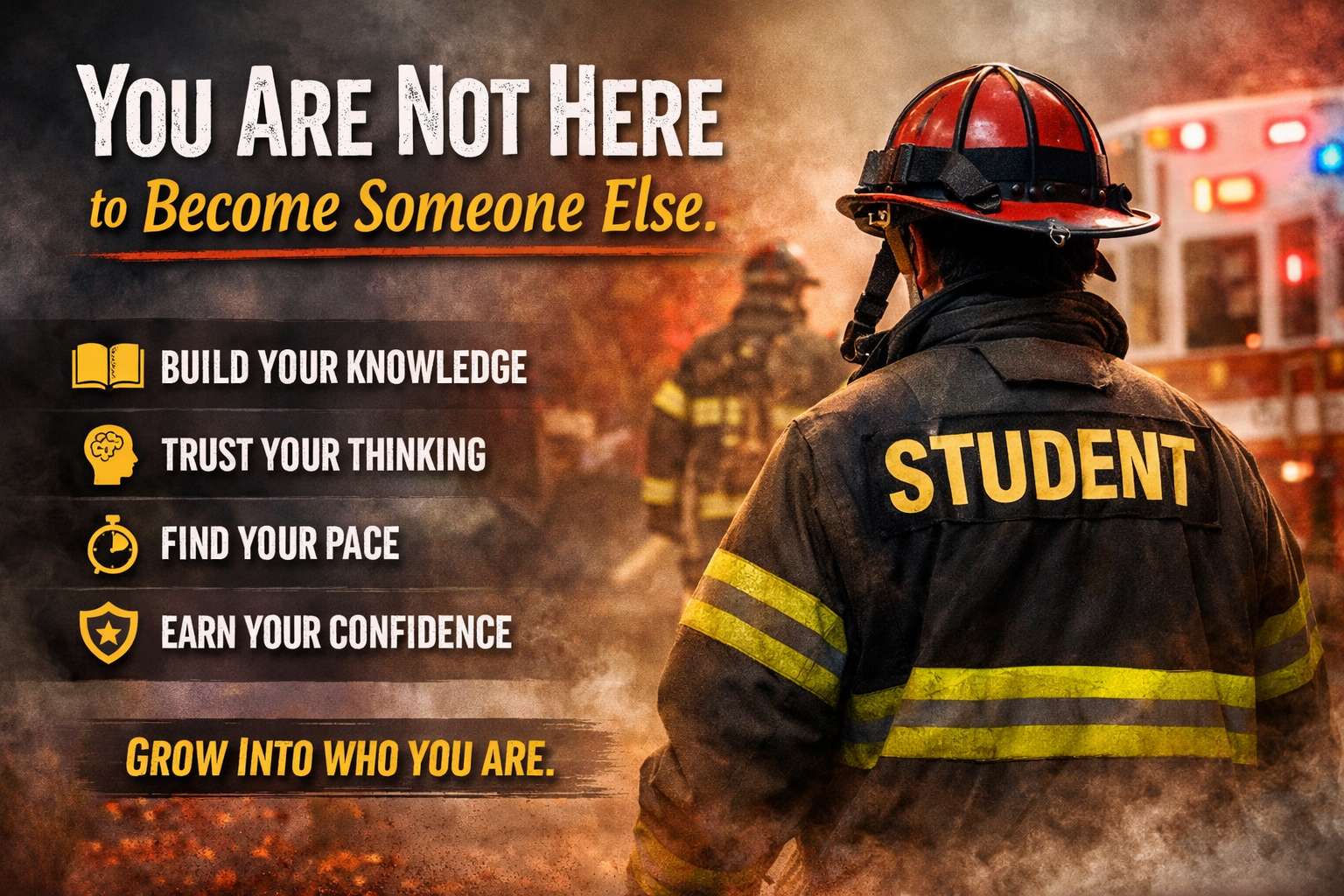
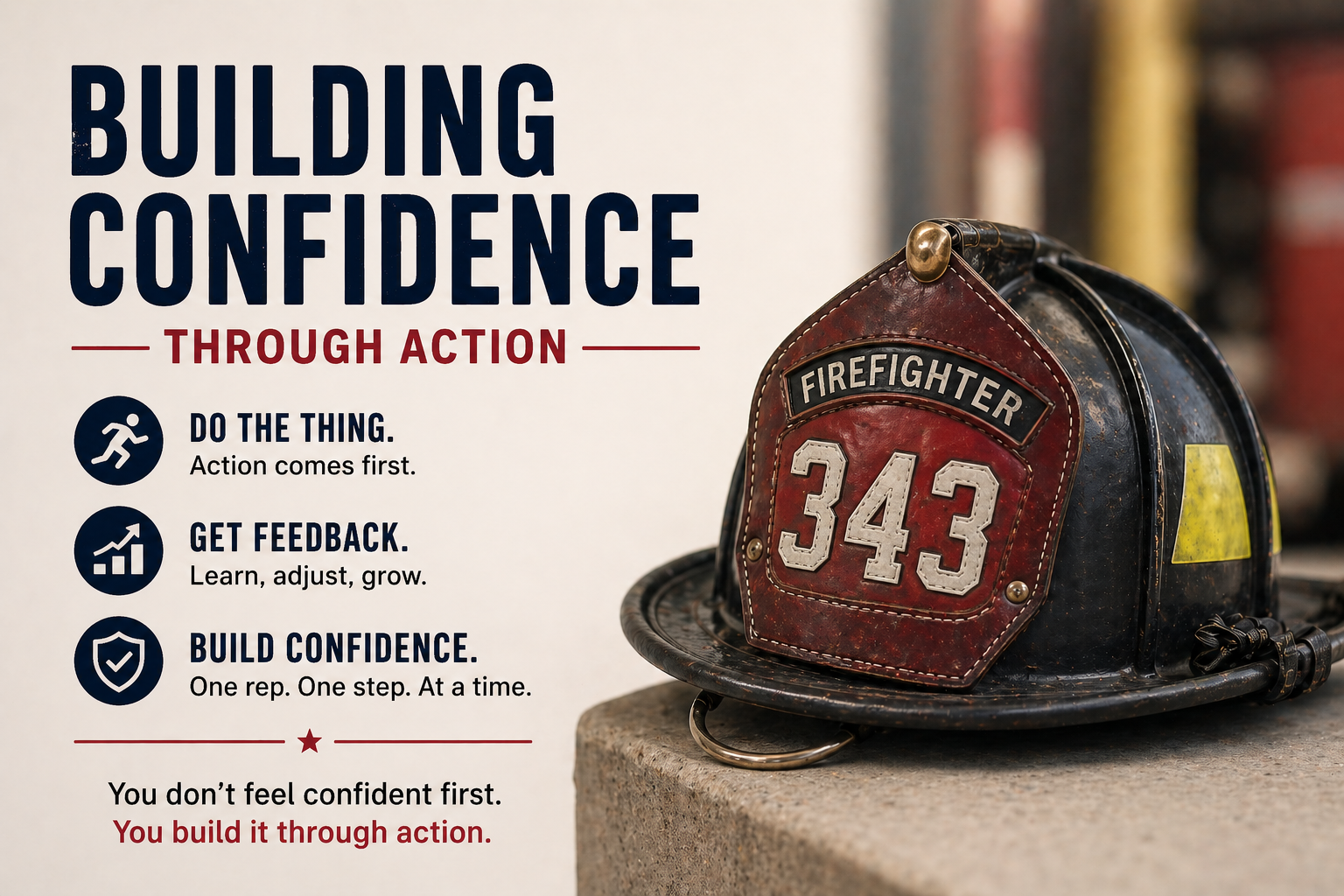
Building Confidence Through Action
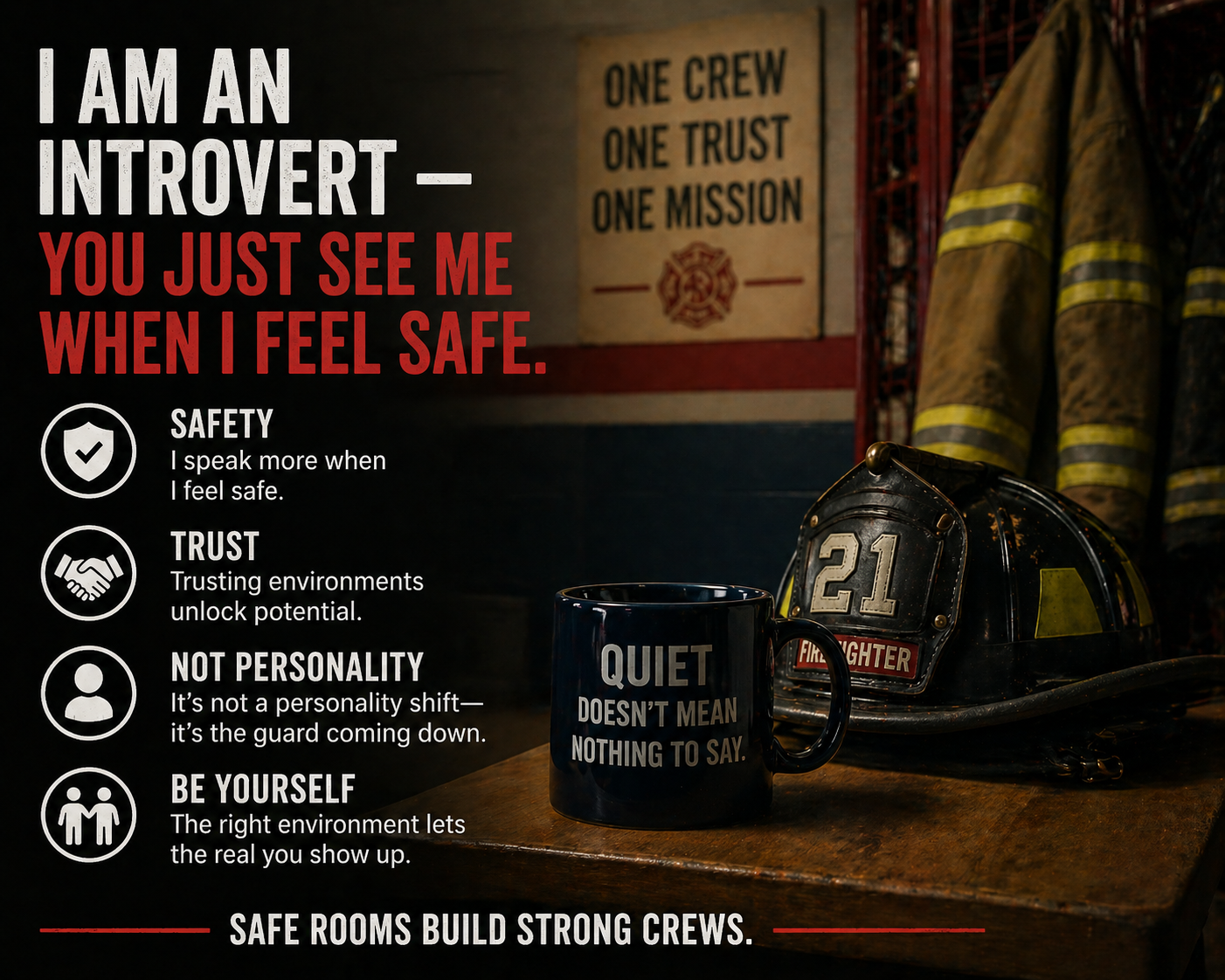
Teach-Backs: The Quiet Weapon for Introverts, ADHD Students, and Promotional Candidates
After the Call
The fire/EMS culture often pushes one of two unhealthy responses:
“Shake it off.”
“Bury it and move on.”
Neither works for introverted or ADHD brains.
I Don’t Want to Worry About What People Think of Me
What happens when you’re exhausted from managing everyone else’s perception of you? This reflection explores the weight of people-pleasing in the Fire/EMS culture — and how to quietly reclaim your identity.
The Quiet Struggle You Can’t See: Auditory Processing Disorder in the Fire & EMS World
This profession runs on sound.
Radio reports
Verbal orders
Dispatch updates
Patient histories
Rapid-fire team communication
Station banter layered over apparatus noise
It’s constant auditory input.
When the Room Goes Quiet After You Speak
You said something.
It didn’t feel explosive.
It didn’t feel cruel.
It didn’t even feel that serious.
But now the room is different.
The crew that normally jokes with you is quieter.
The shift feels colder.
You can feel it — that subtle social shift.
Structure Is Not Restriction
Structure gives permission to:
Decompress after difficult calls
Limit unnecessary stimulation
Mentally reset before the next patient
Protect energy instead of constantly spending it
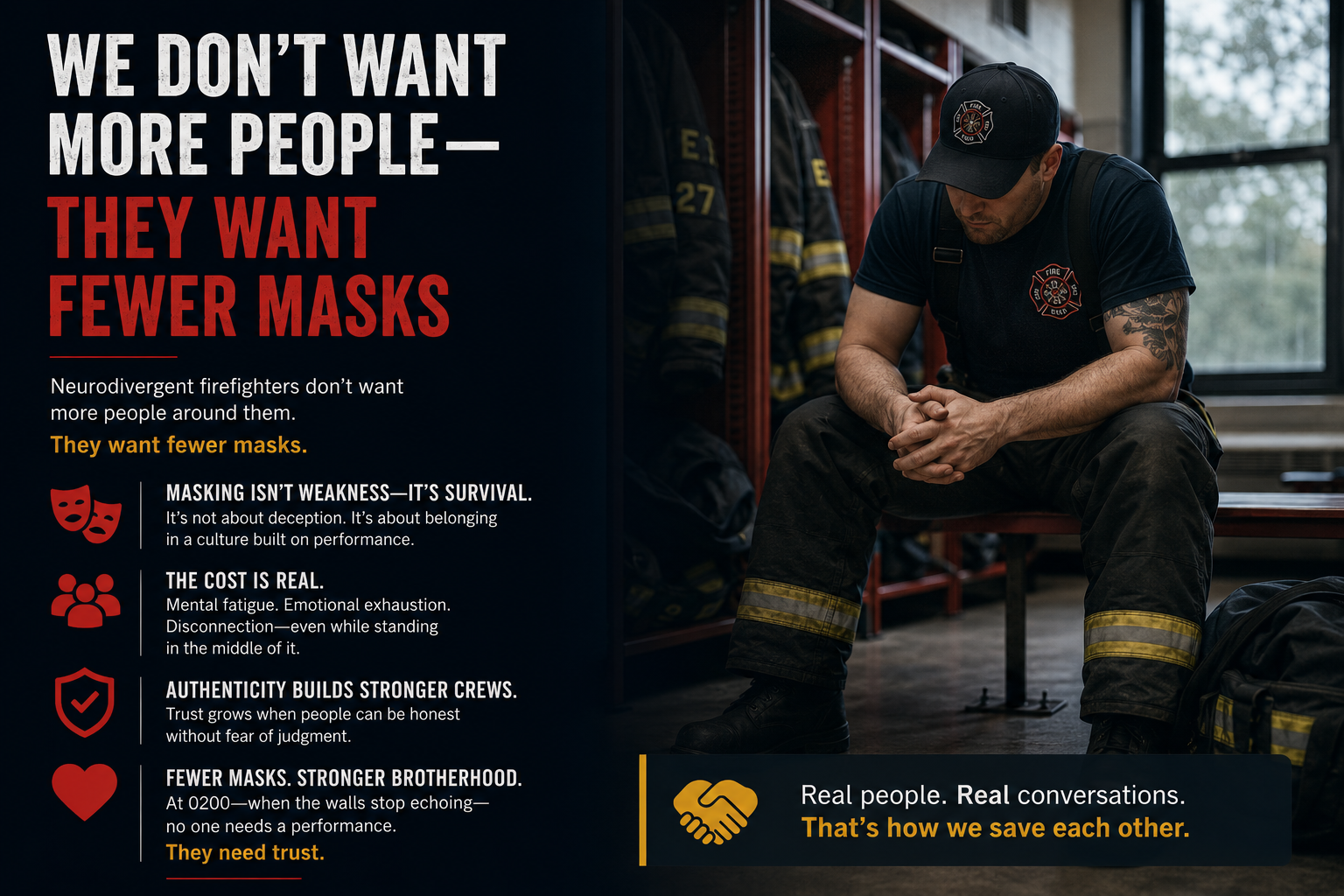
The Mask You Wear to Survive
Many responders learn to mask their true selves to fit expectations and stay safe. This reflection examines the emotional cost of constant performance and the quiet fatigue that comes from hiding who you are.
Why Trust Is Not Optional for Neurodivergent, ADHD, and Introverted Minds
Trust is not a luxury for neurodivergent and introverted responders—it is a requirement for safety and performance. This article explains how trust affects cognition, communication, and decision-making under stress.
What Not to Say
Well-intended words can unintentionally dismiss, overwhelm, or isolate neurodivergent responders. This article explores common phrases that cause harm and explains how language can either erode trust or create psychological safety.
When You Set Boundaries, the Free Ride Ends
Setting boundaries often reveals who benefited from you having none. This reflection examines why pushback isn’t a sign of failure, but evidence that you are protecting your energy, identity, and well-being.
When You Can’t Turn It Off—and What To Do Next
For many responders, the nervous system never fully powers down. This article explores hypervigilance, mental replay, and why rest feels unsafe—offering language to understand what’s happening beneath the surface.
When Urgency Overwhelms the Introverted Responder
Urgency can hijack clear thinking, especially for neurodivergent minds. This piece explores how constant pressure distorts decision-making, accelerates burnout, and makes it difficult to access calm, deliberate responses.
When There Is No Time to Recharge
When recovery is treated as optional, exhaustion becomes normalized. This reflection examines the cumulative toll of never fully recharging and why sustainable performance requires intentional pauses, not just endurance.