Articles
Reflections for Students, Responders, and Leaders in Fire & EMS
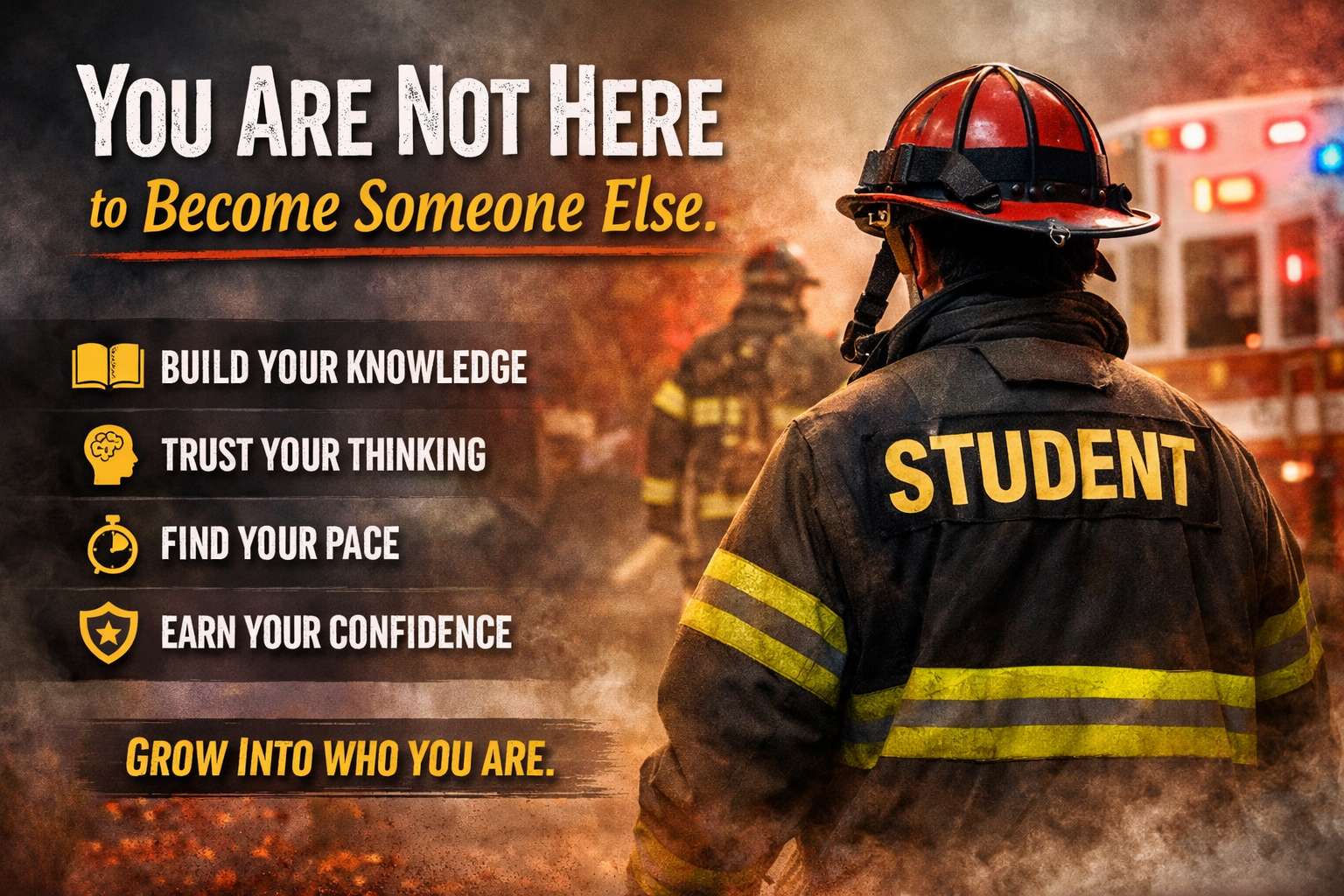
When You Feel Like You Have to Become Someone Else
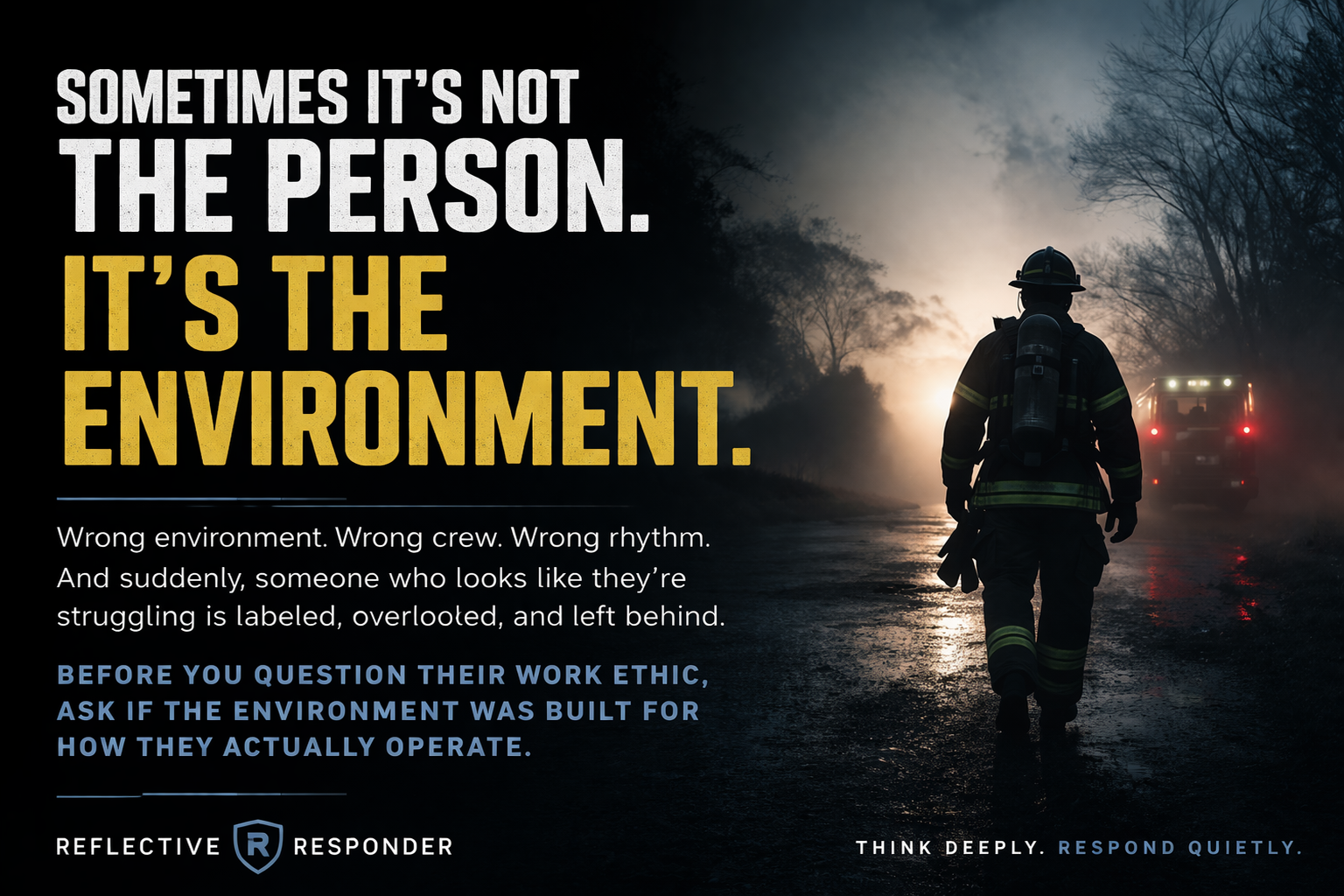
When the Environment Changes, the Person Doesn’t—But the Outcome Does
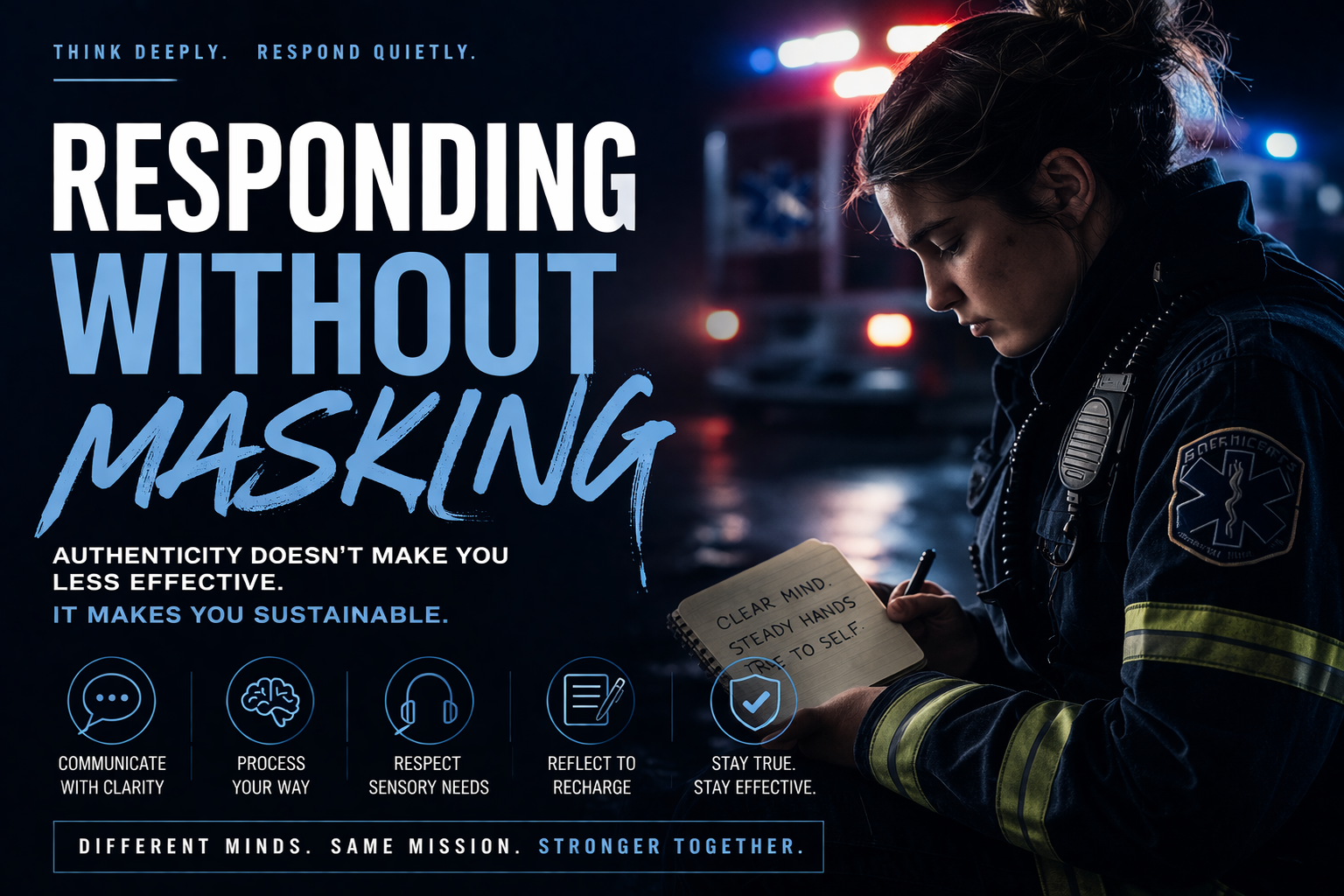
Responding Without Masking
Stop Overthinking Every Rep (Student Edition)
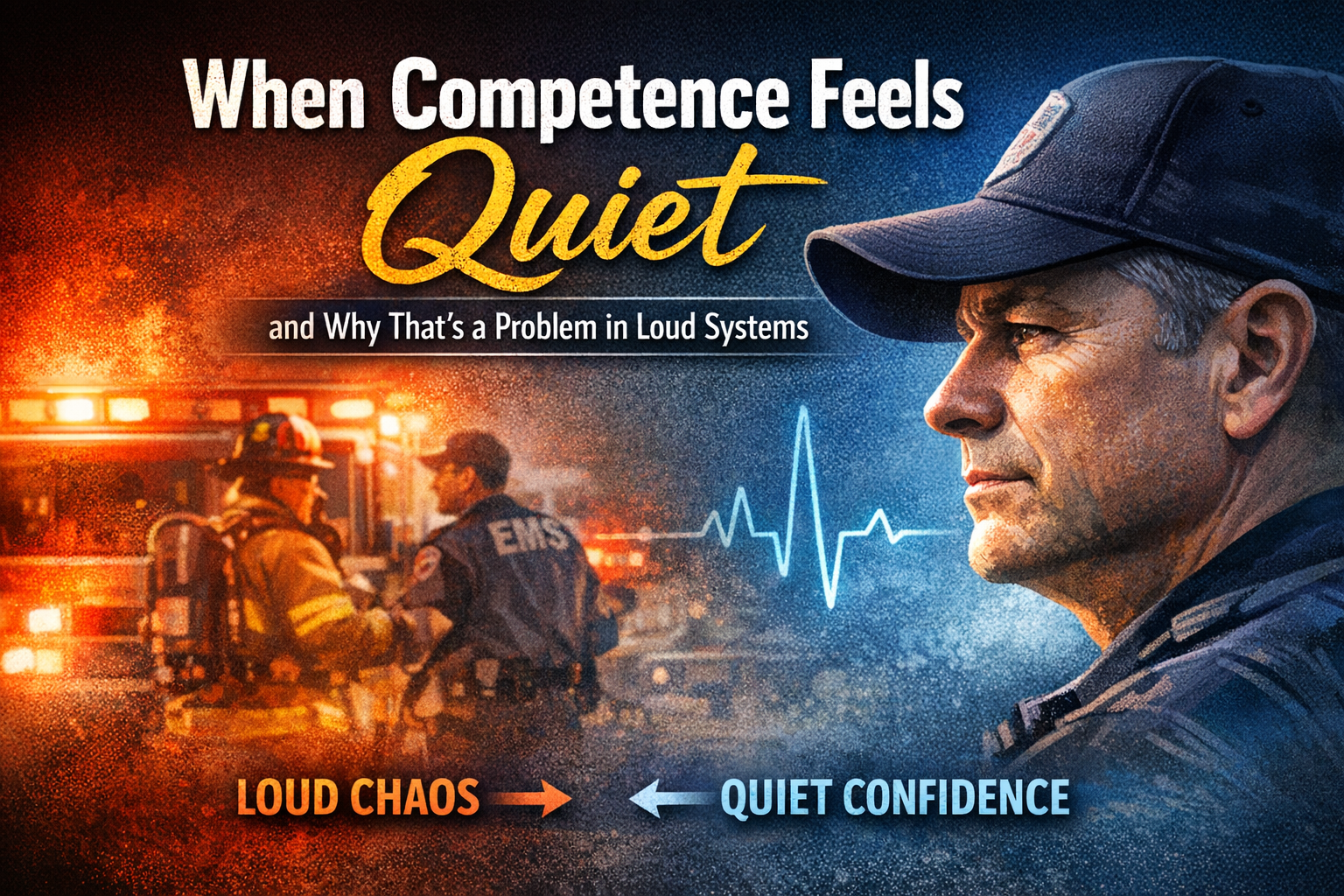
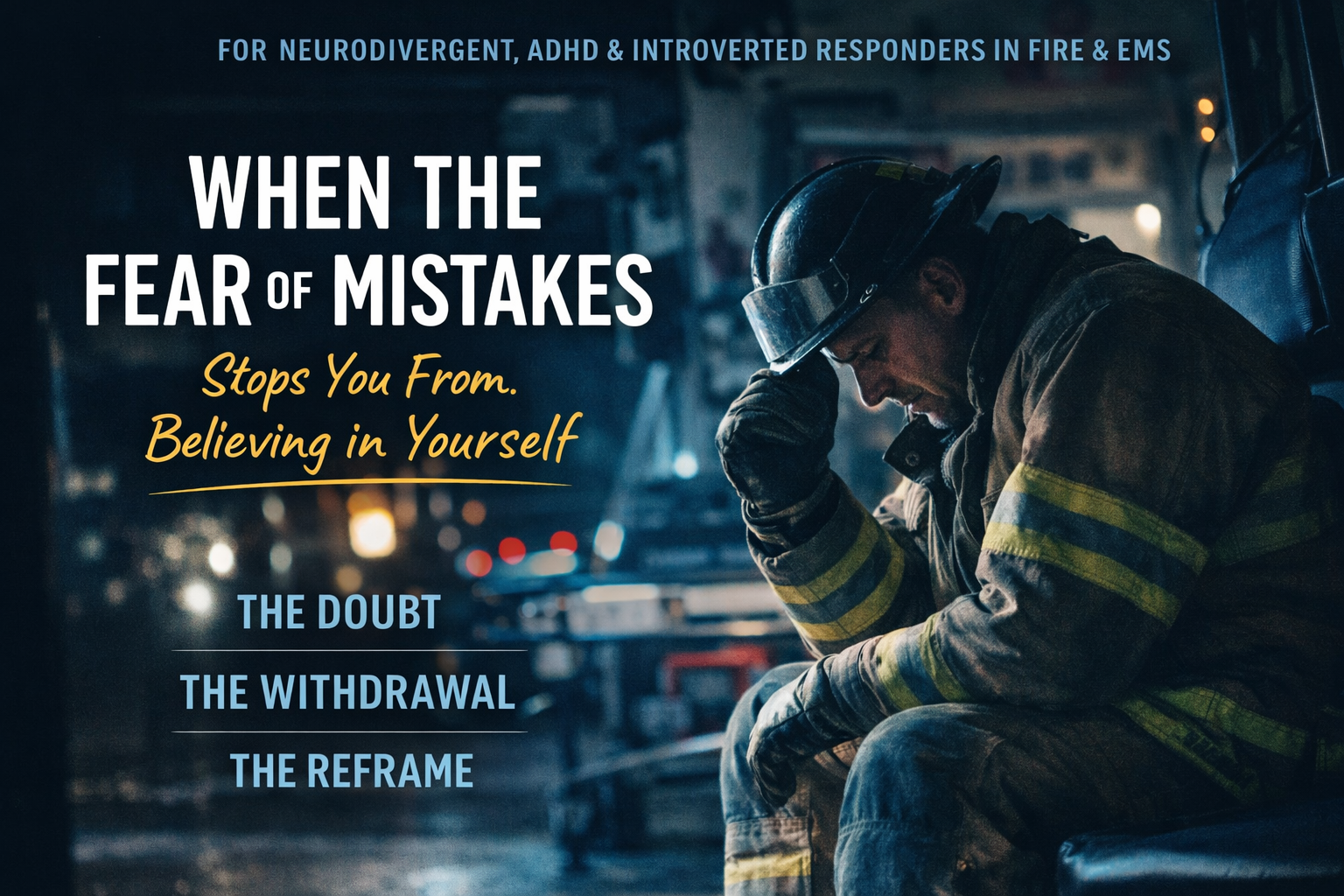
When the Fear of Mistakes Becomes the Barrier
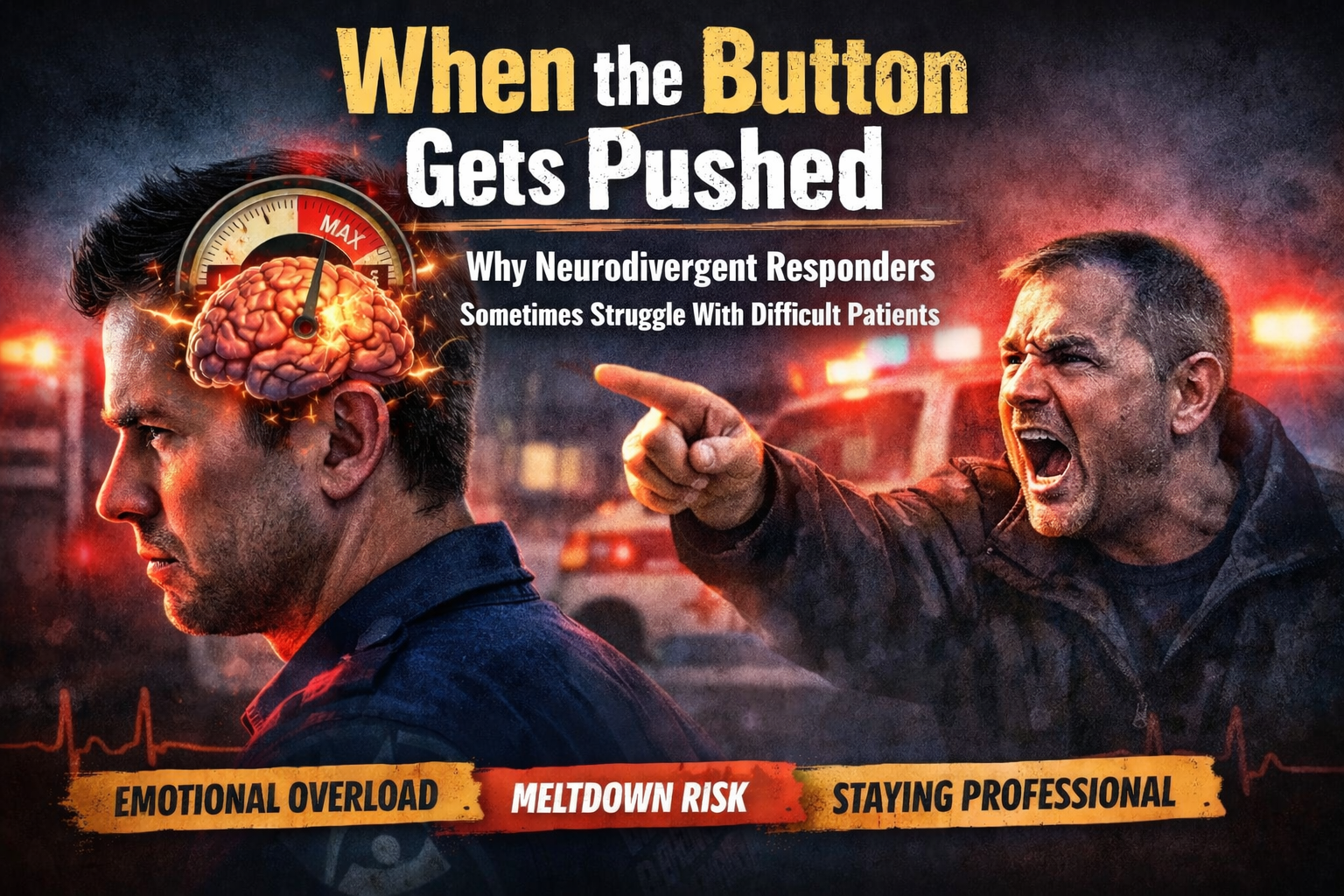
When the Button Gets Pushed
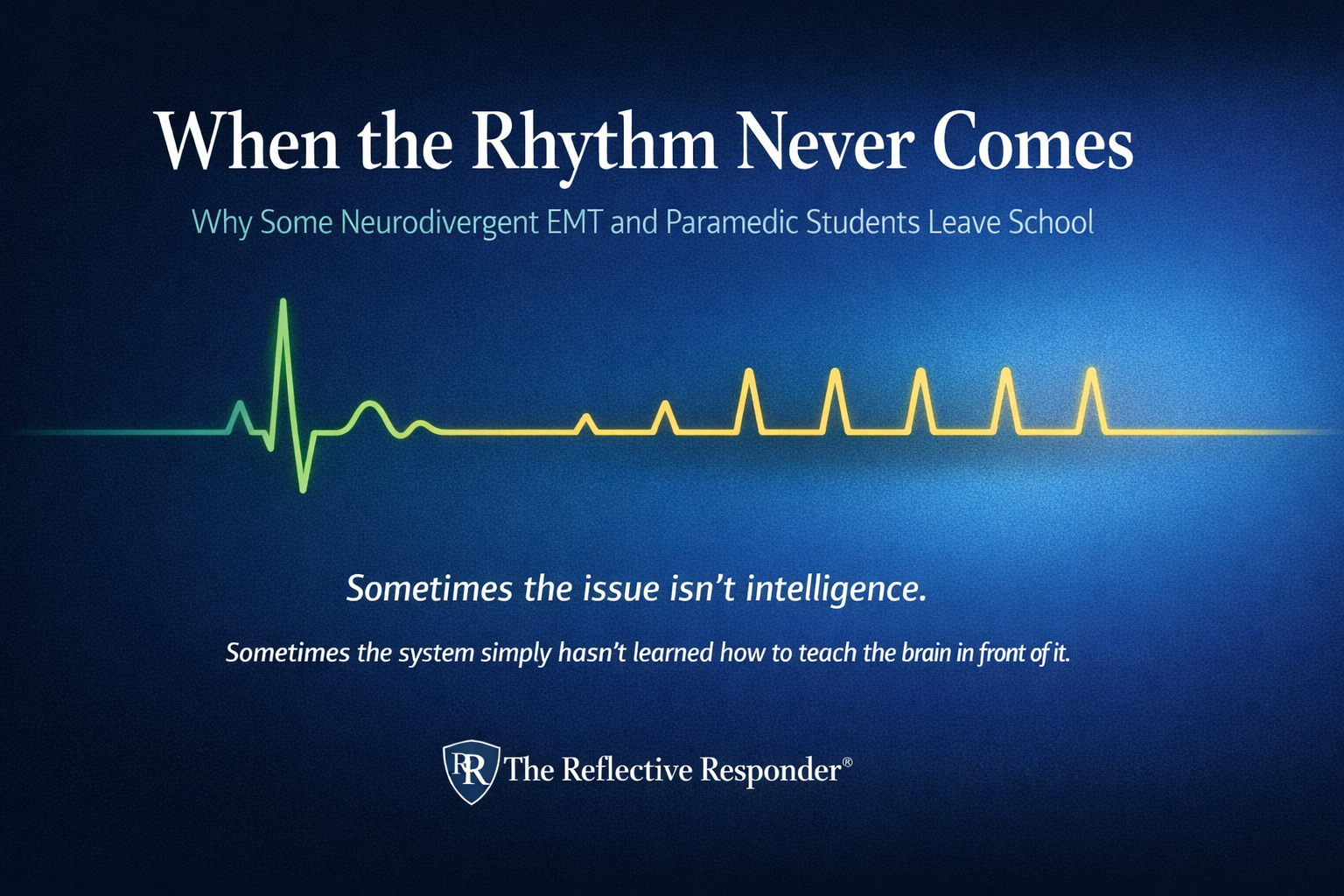
When the Rhythm Never Comes
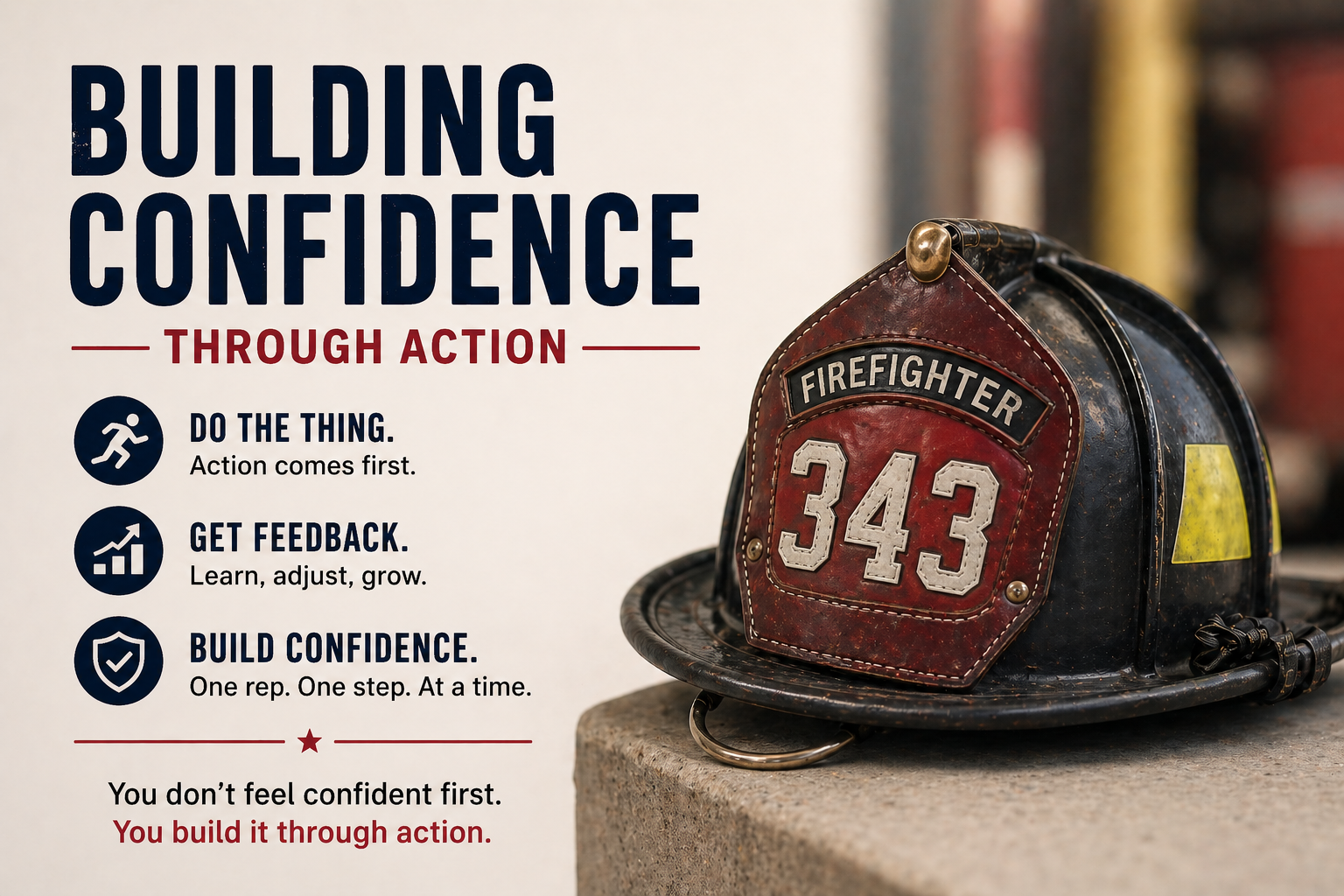
Building Confidence Through Action
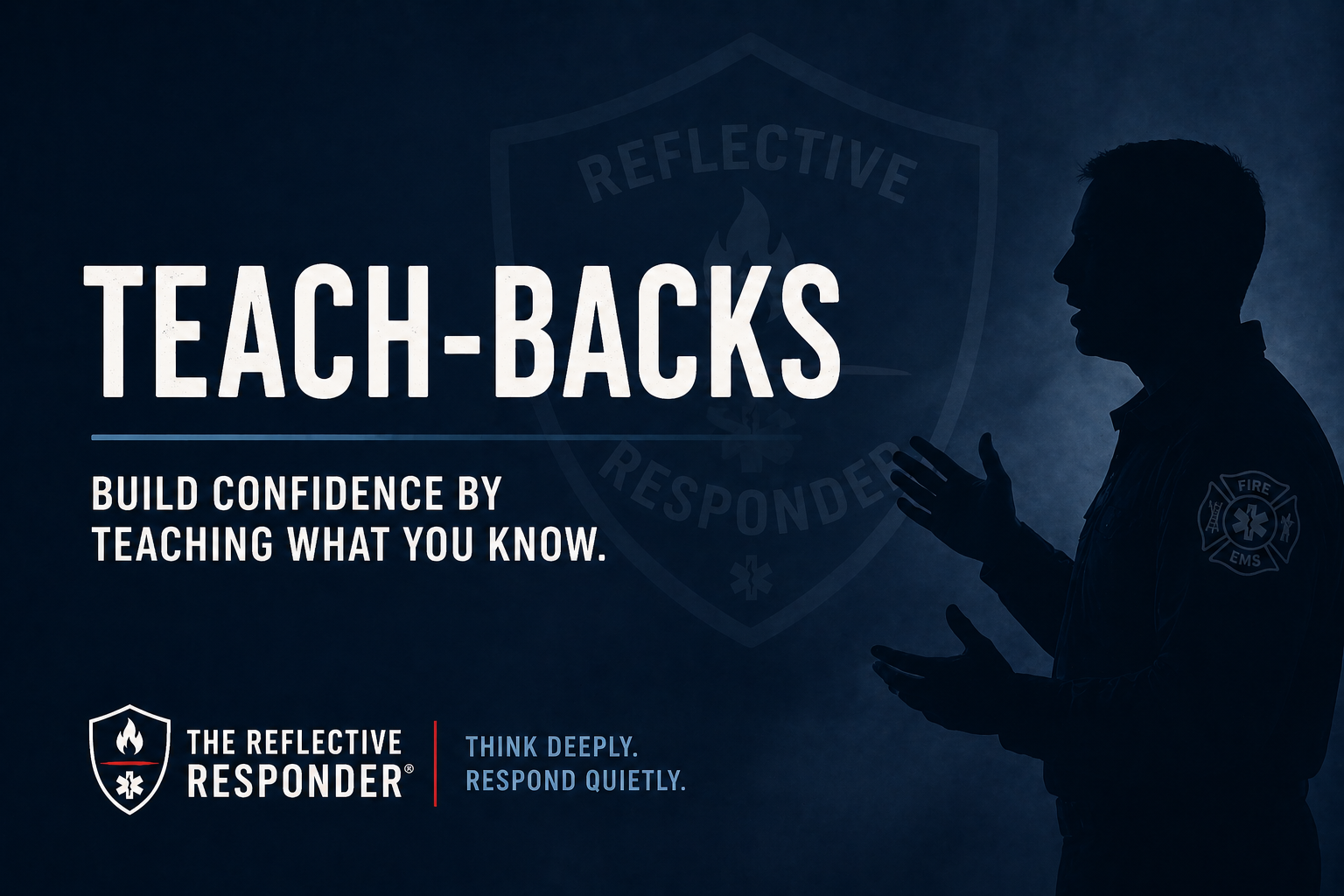
Teach-Backs: The Quiet Weapon for Introverts, ADHD Students, and Promotional Candidates
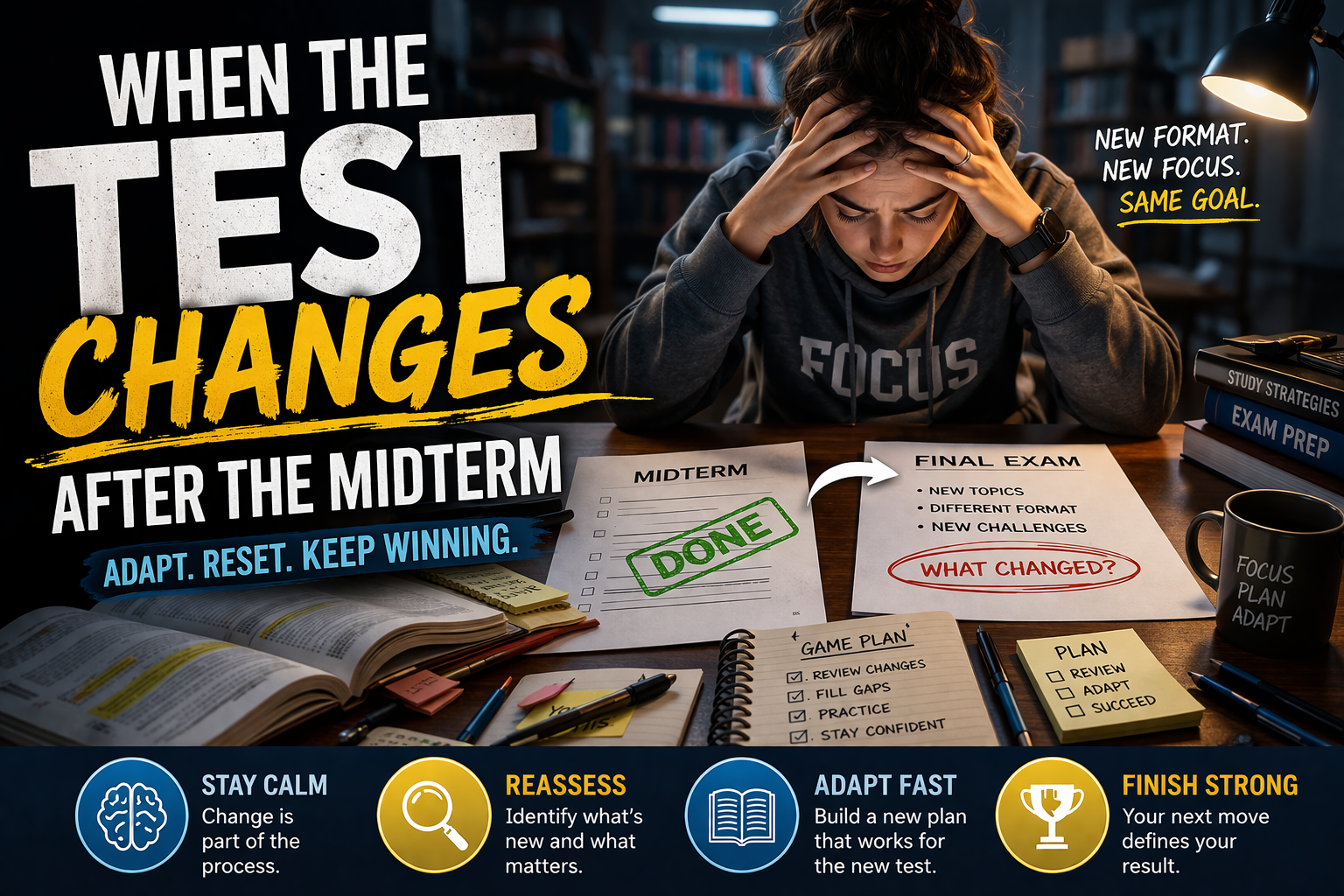
MIDTERM RESET PLAN
You are not on the edge because you’re incapable.
You’re on the edge because your system hasn’t fully caught up to your ability yet.
The Weight of Shame in Fire & EMS
Sometimes you need correction.
Sometimes you need strategy.
Sometimes you simply need a small win to rebuild momentum.
The First Ride: When Your Brain Won’t Sit Down
The first ride isn’t about performance — it’s about presence. A grounded approach for nervous, ADHD, and introverted EMS students.
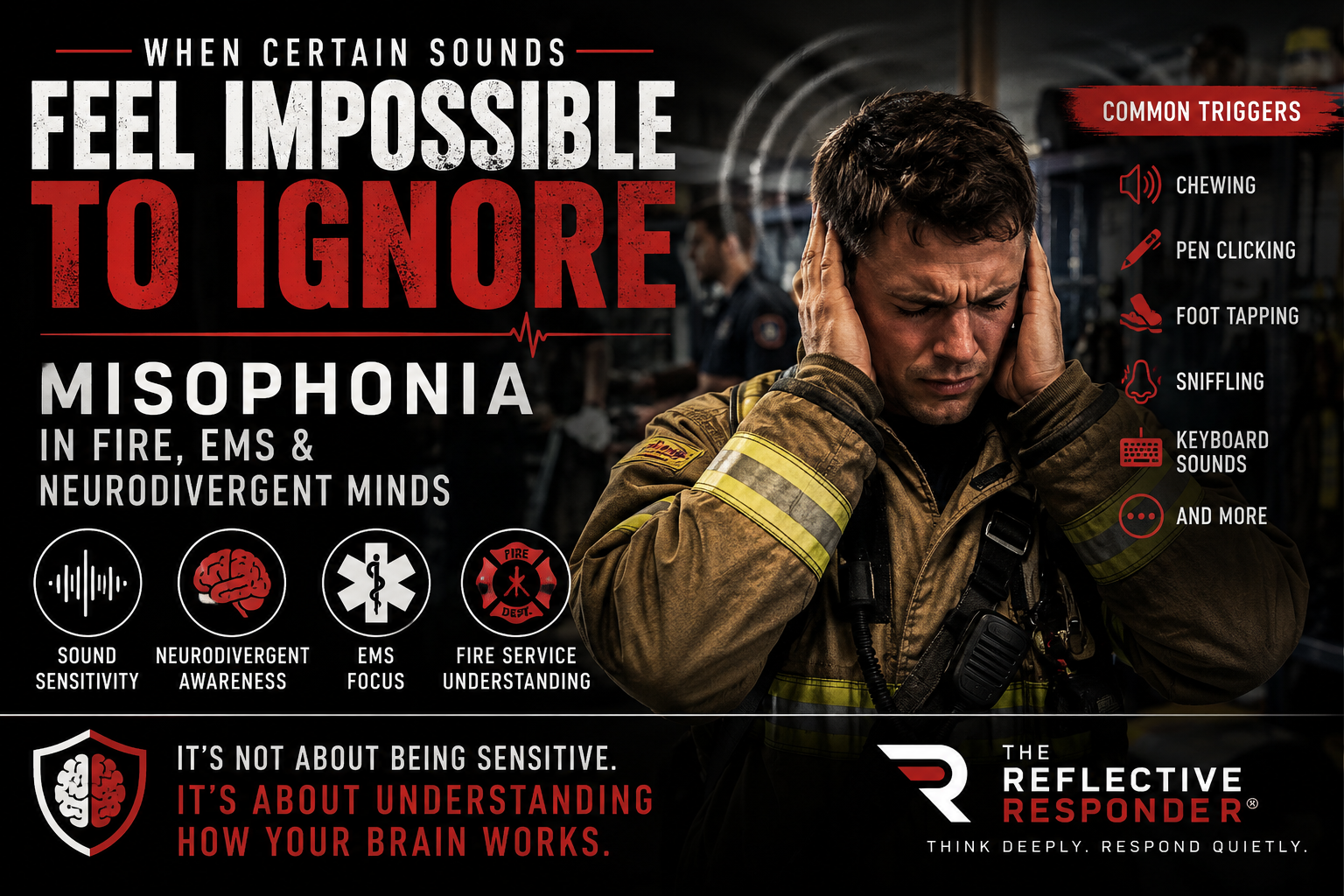
The Quiet Struggle You Can’t See: Auditory Processing Disorder in the Fire & EMS World
This profession runs on sound.
Radio reports
Verbal orders
Dispatch updates
Patient histories
Rapid-fire team communication
Station banter layered over apparatus noise
It’s constant auditory input.
Navigating EMT or Paramedic School as an Introvert with Rejection Sensitive Dysphoria
Emergency medicine education is loud by design.
There are voices calling out vitals, instructors stopping scenarios mid-sentence, classmates watching every move you make. Feedback is immediate. Mistakes are public. Growth happens in front of an audience.
The Quiet Student on Day One: You’re Not Behind — You’re Processing
The first day of EMT or paramedic school is not just orientation.
It’s exposure.
Exposure to personalities.
Exposure to expectation.
Exposure to the version of yourself you hope you can become.
If you are introverted or neurodivergent, day one doesn’t feel exciting.
It feels loud.
The Quiet Movements No One Talks About
You’re sitting in class.
Your leg won’t stop bouncing.
You twist your pen. Click it. Spin it. Tap it.
You rub your thumb against the seam of your glove.
You pace in the bay longer than necessary.
You chew the inside of your cheek during report.
And somewhere in the back of your mind, you think:
Why can’t I just sit still like everyone else?
When the Room Goes Quiet After You Speak
You said something.
It didn’t feel explosive.
It didn’t feel cruel.
It didn’t even feel that serious.
But now the room is different.
The crew that normally jokes with you is quieter.
The shift feels colder.
You can feel it — that subtle social shift.
Structure Is Not Restriction
Structure gives permission to:
Decompress after difficult calls
Limit unnecessary stimulation
Mentally reset before the next patient
Protect energy instead of constantly spending it
When You Fail the Test and Start Questioning the Calling
No one prepares you for the silence that follows failure.
The moment the entrance exam results come back.
The score you didn’t expect.
The weight in your chest that feels heavier than disappointment—it feels like shame.
You didn’t just fail a test.
The Mask You Wear to Survive
Many responders learn to mask their true selves to fit expectations and stay safe. This reflection examines the emotional cost of constant performance and the quiet fatigue that comes from hiding who you are.