
Reflections
Thoughts Between the Calls
Thoughtful reflections on service, leadership, and the moments that shape us.
Music & Reflection
The songs that help us recognize what we feel, remember who we are, and make sense of experience.
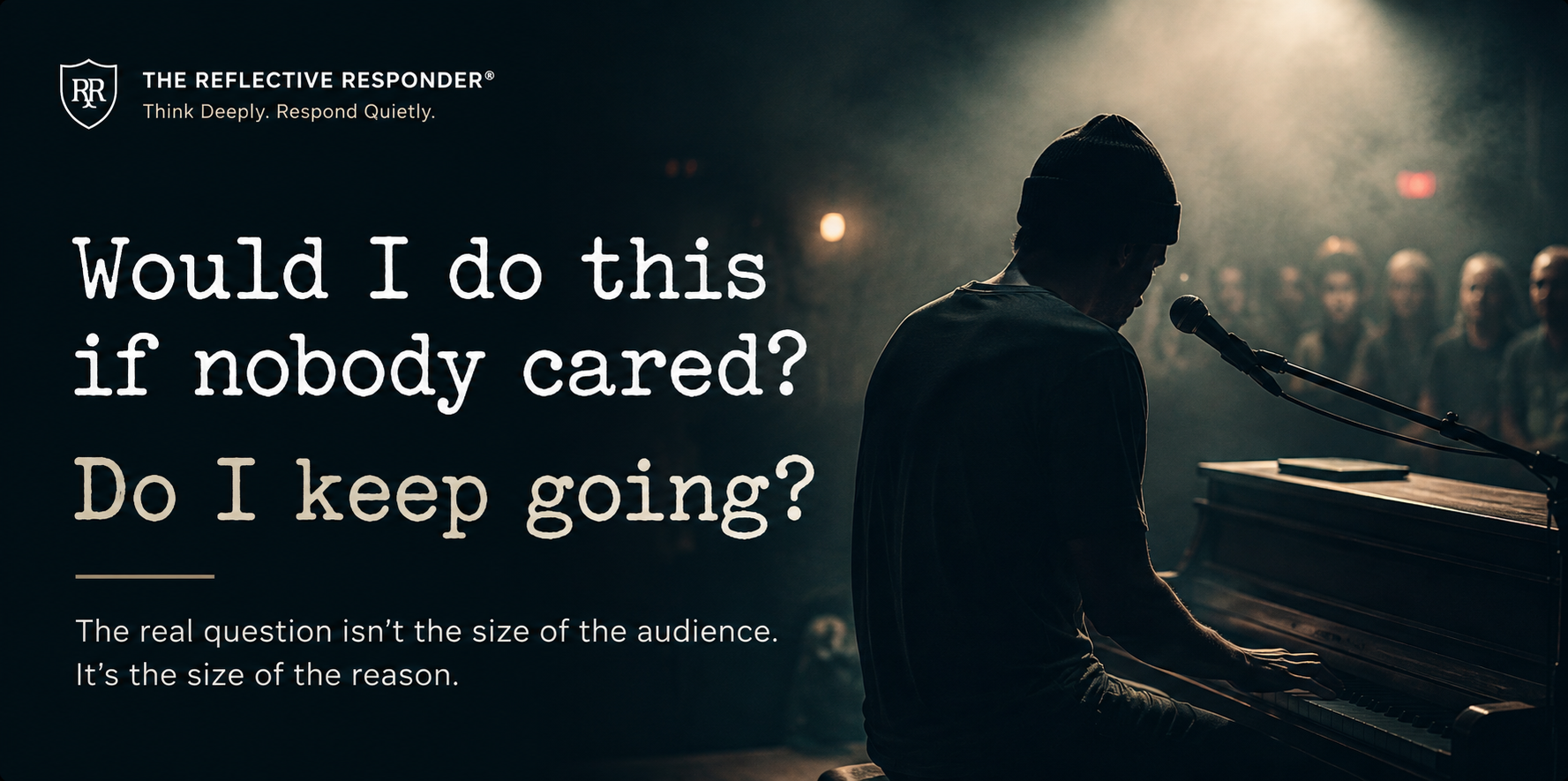
What Twenty One Pilots’ “Car Radio” can teach us about silence, distraction, and the thoughts we carry
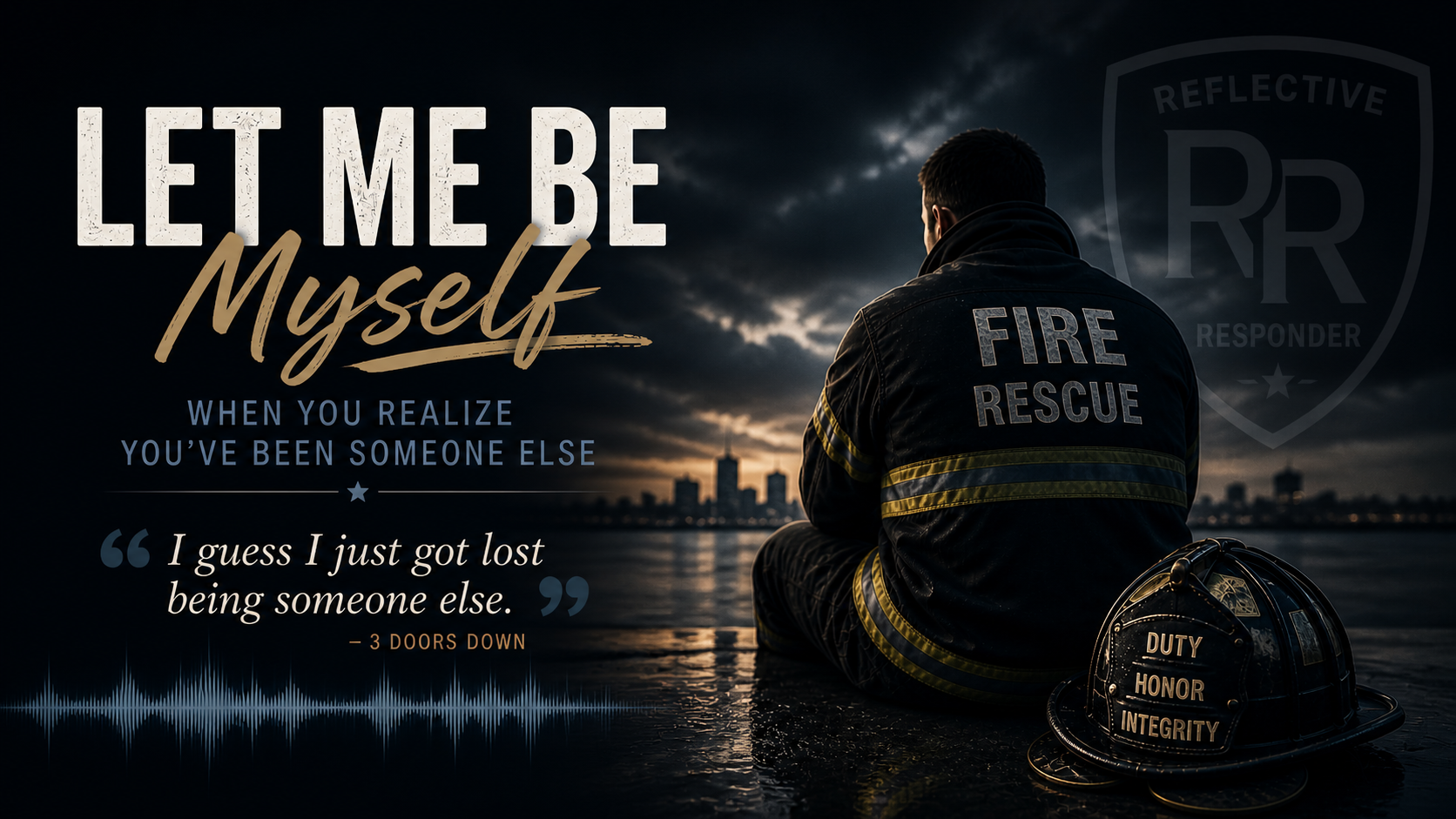
Personal Reflections
Stories of identity, growth, and the experiences that shape who we become.
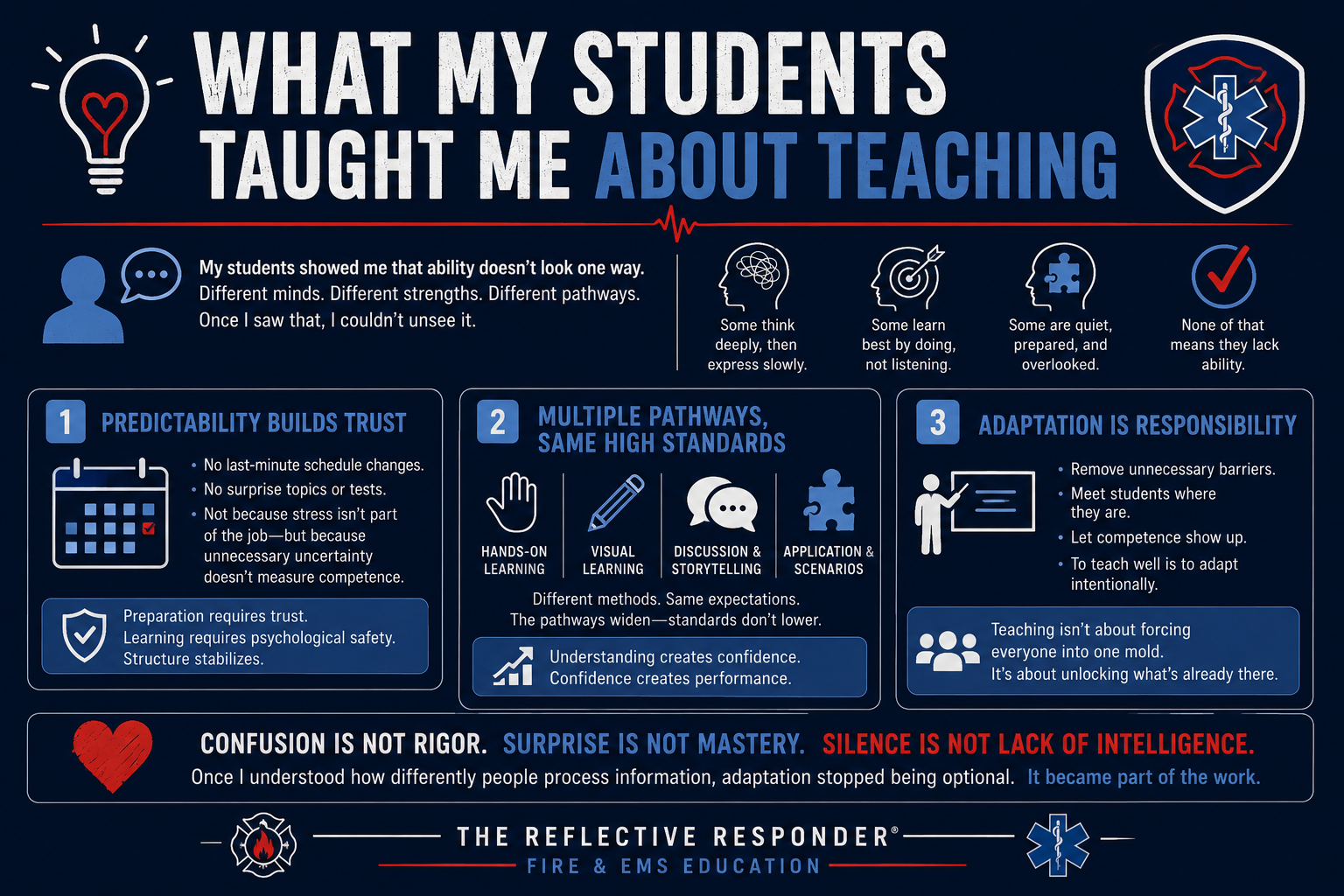
We built things. We traced systems.
We mapped physiology and decision-making visually instead of assuming everyone could translate words into understanding at the same speed.
Over time, I developed a reputation for strong clinical recognition—EKGs, patient patterns, subtle findings—but also for being rigid, overly particular, or difficult when someone crossed into what I perceived as my role. It was a counterbalance I didn’t fully understand at the time.
The Reflective Mind
Exploring the patterns of thought, emotion, and awareness that shape how we experience the world.
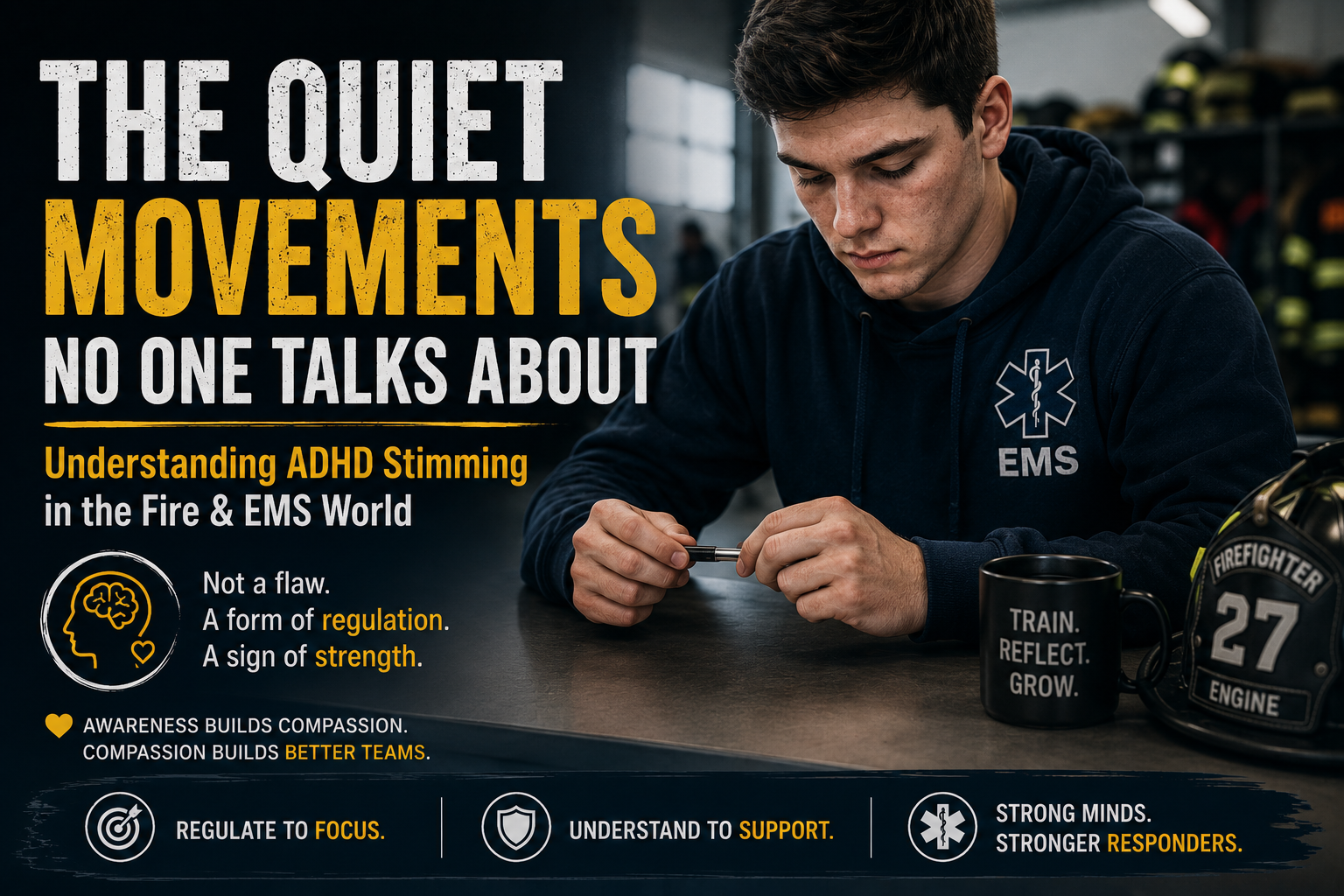
You’re sitting in class.
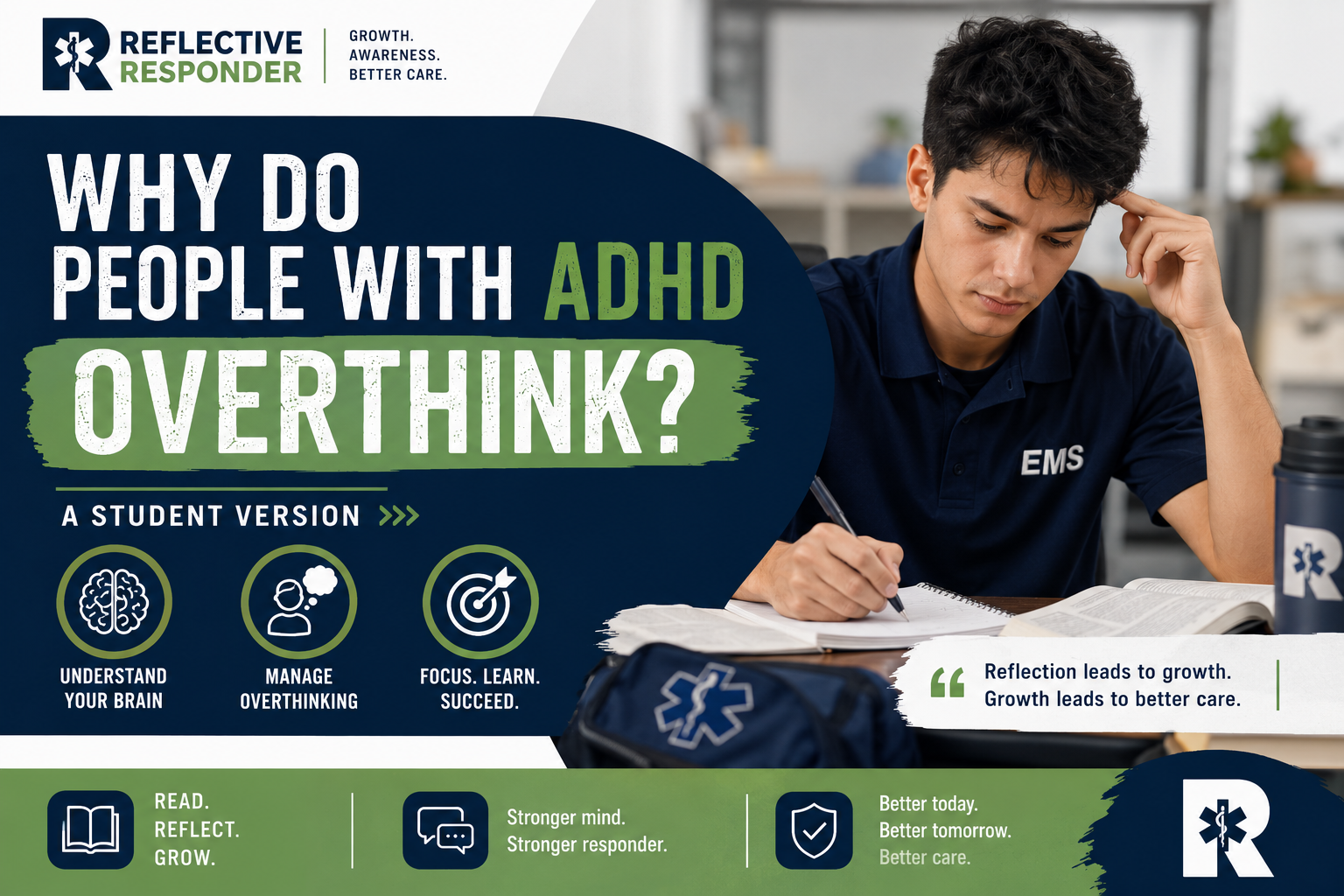
Your leg won’t stop bouncing.
You twist your pen. Click it. Spin it. Tap it.
You rub your thumb against the seam of your glove.
You pace in the bay longer than necessary.
You chew the inside of your cheek during report.
And somewhere in the back of your mind, you think:
Why can’t I just sit still like everyone else?
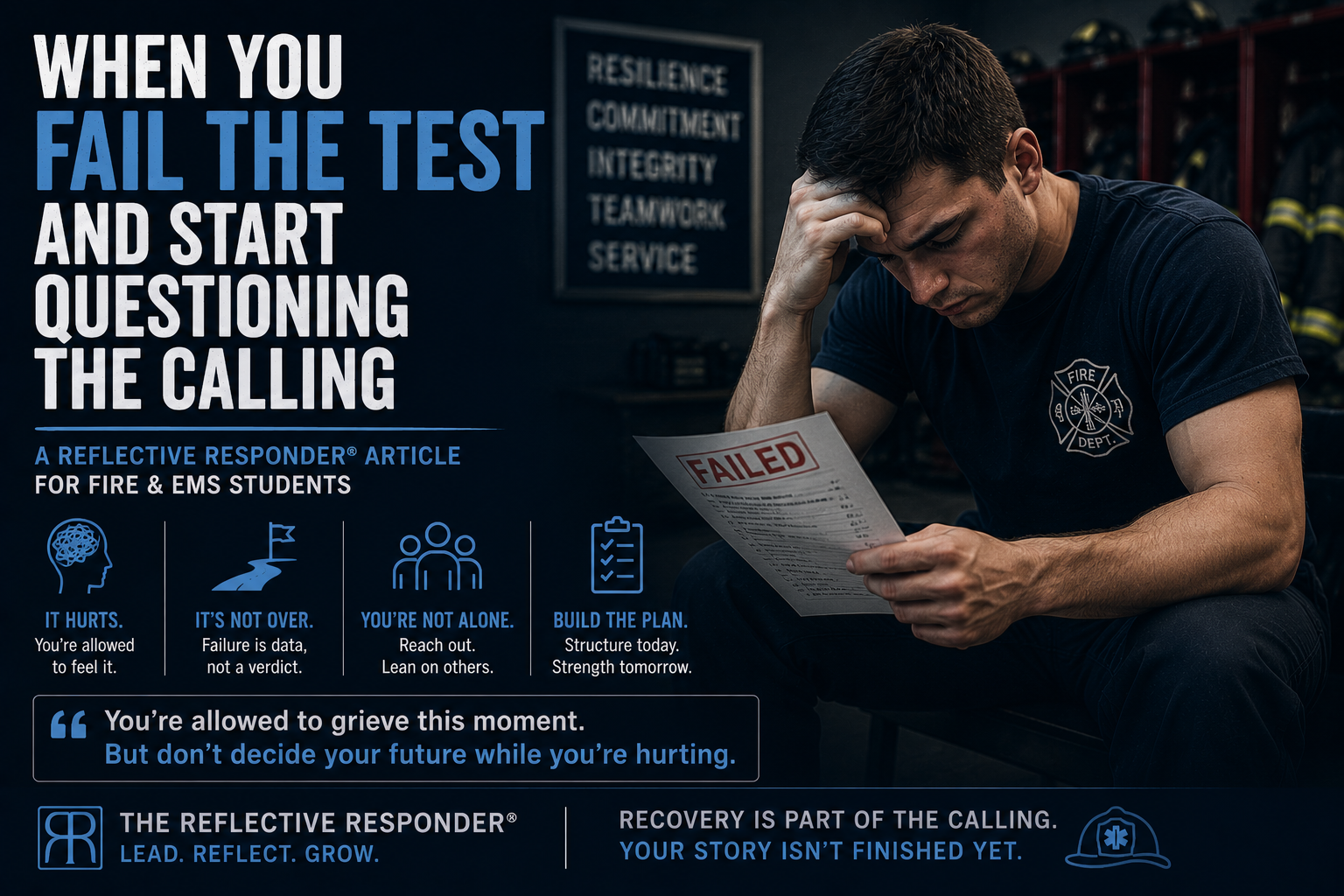
No one prepares you for the silence that follows failure.
The moment the entrance exam results come back.
The score you didn’t expect.
The weight in your chest that feels heavier than disappointment—it feels like shame.
You didn’t just fail a test.
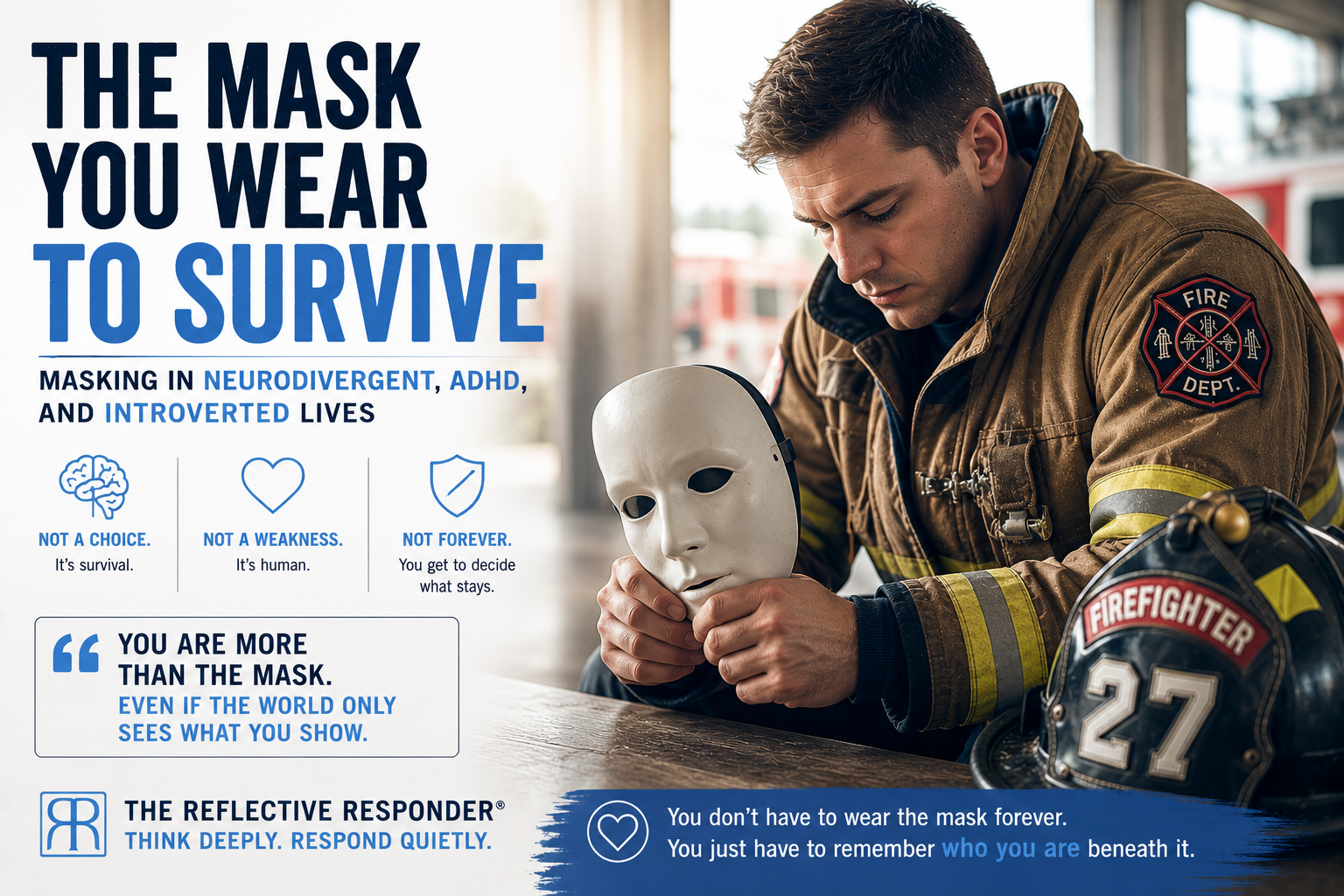
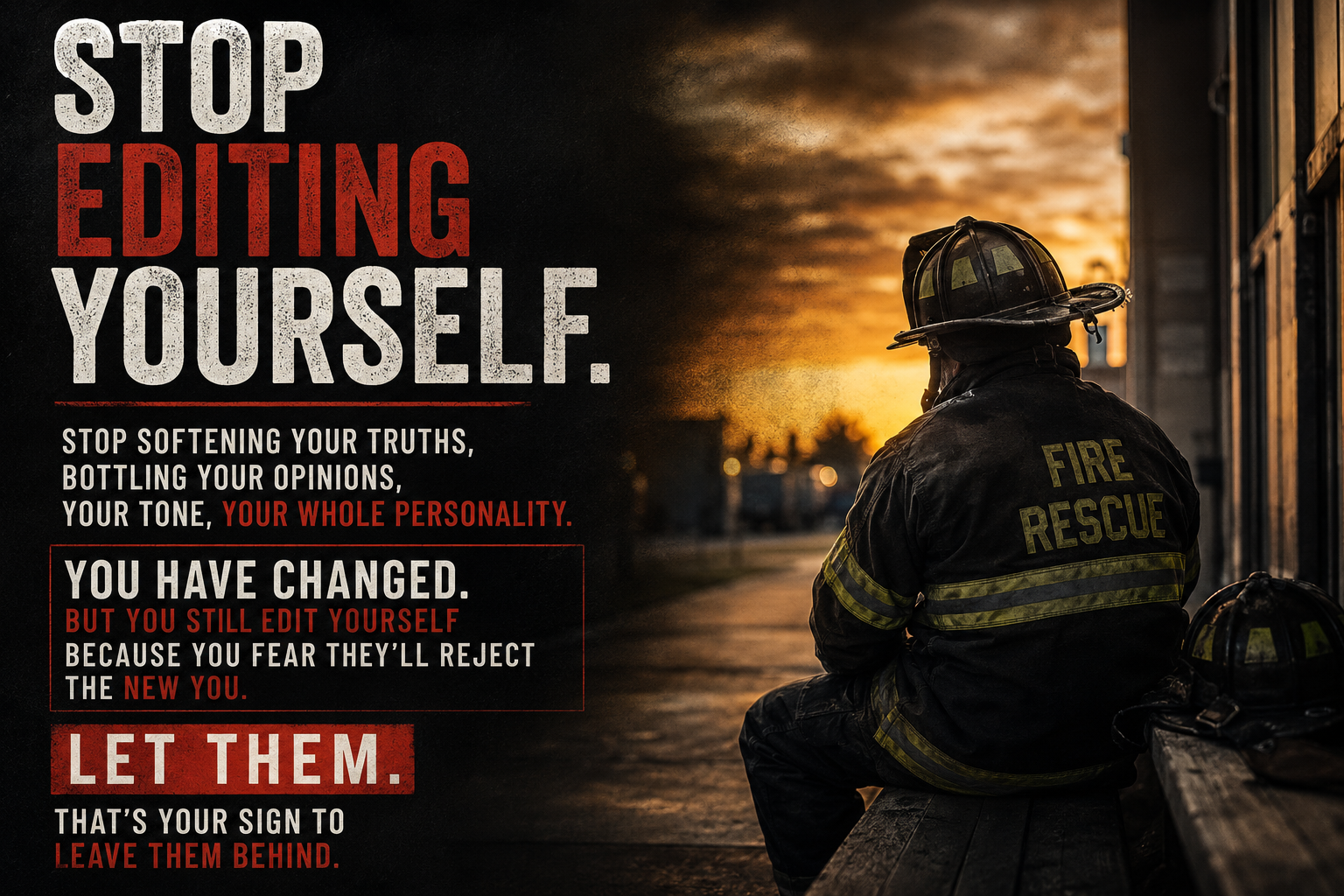
Many responders learn to mask their true selves to fit expectations and stay safe. This reflection examines the emotional cost of constant performance and the quiet fatigue that comes from hiding who you are.
Life Between the Calls
Reflections on rest, relationships, and building a meaningful life beyond the uniform.
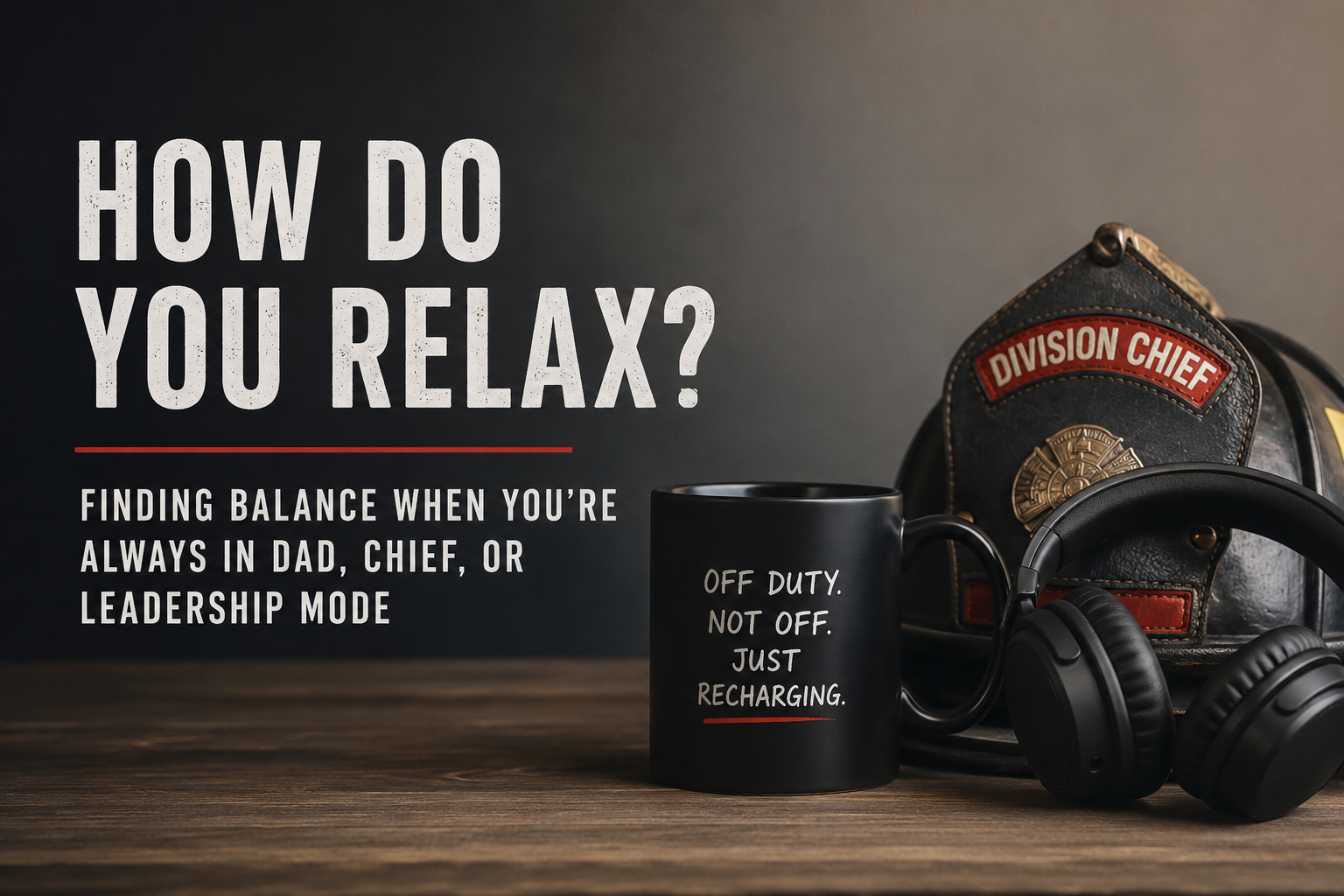
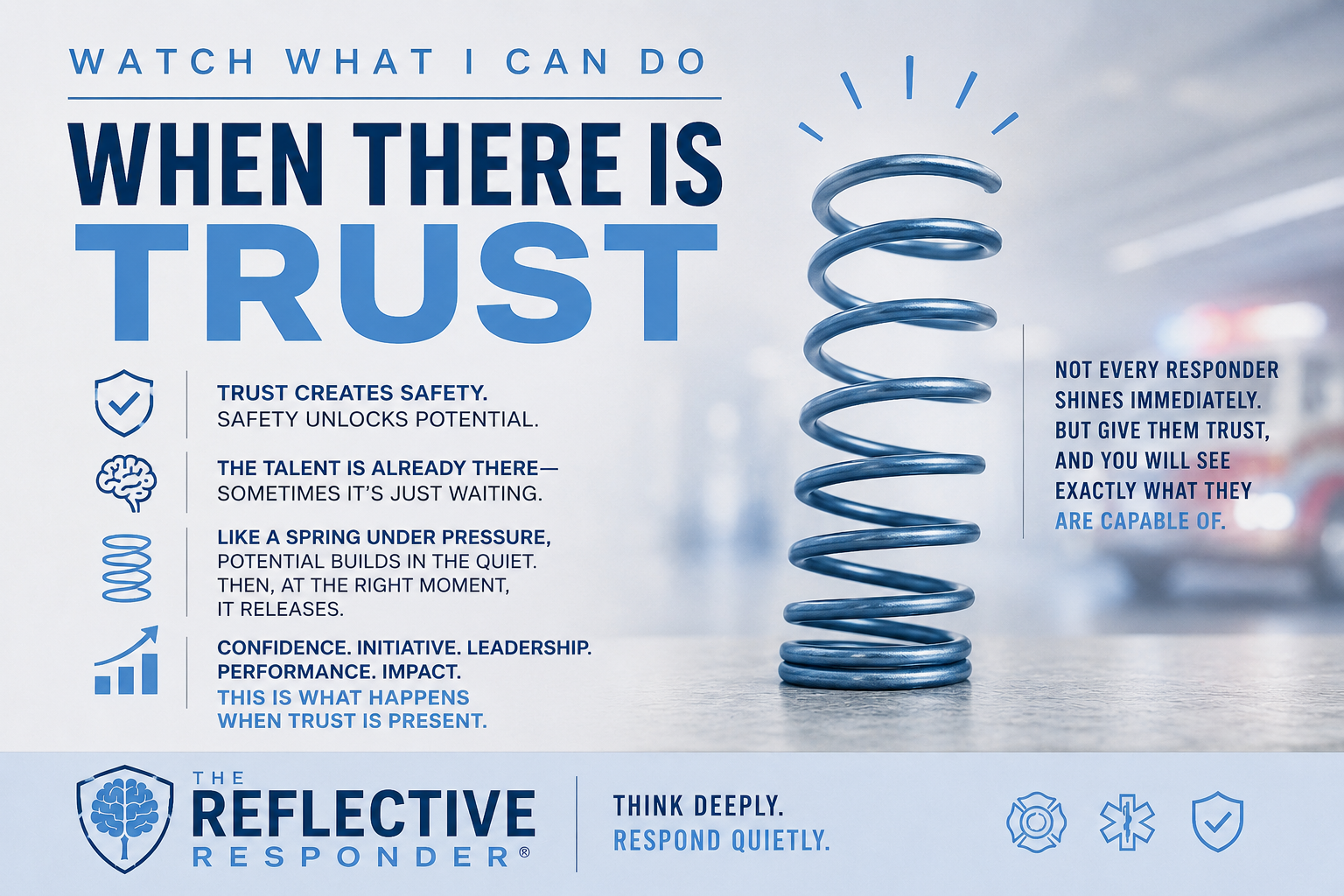
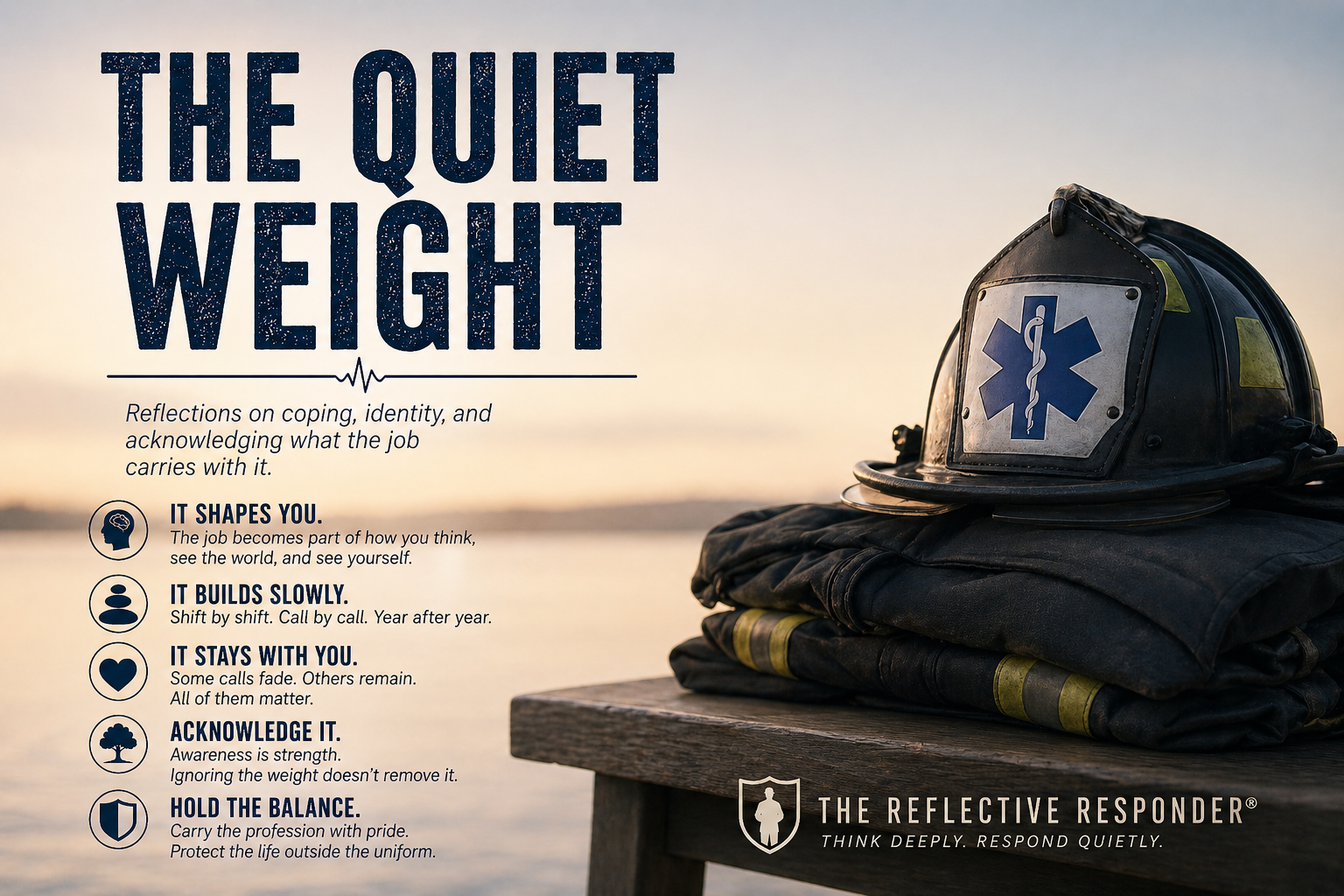
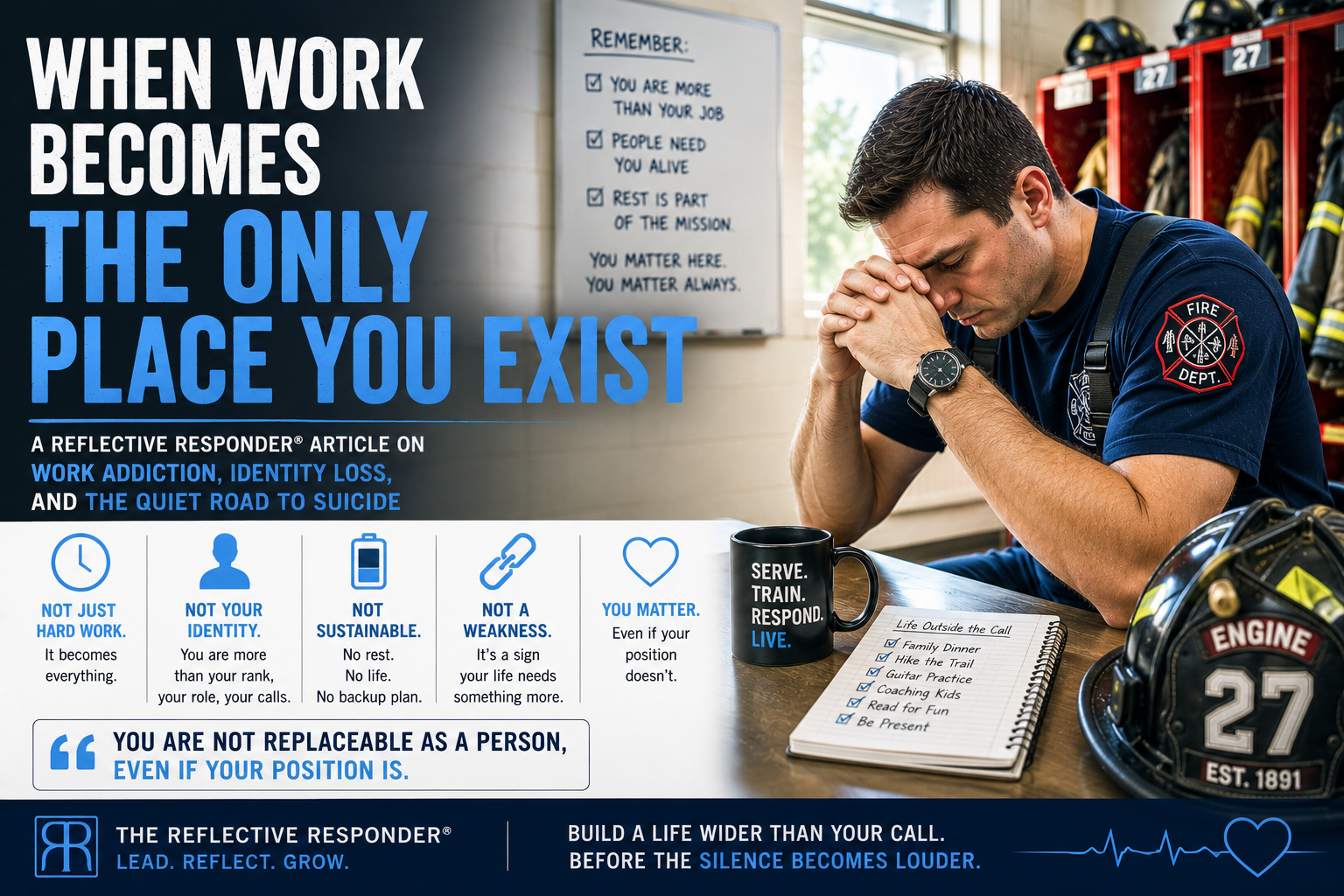
When work becomes the only place you feel useful, it slowly replaces the rest of your life. This reflection explores how identity, connection, and meaning can quietly erode when the job becomes everything.
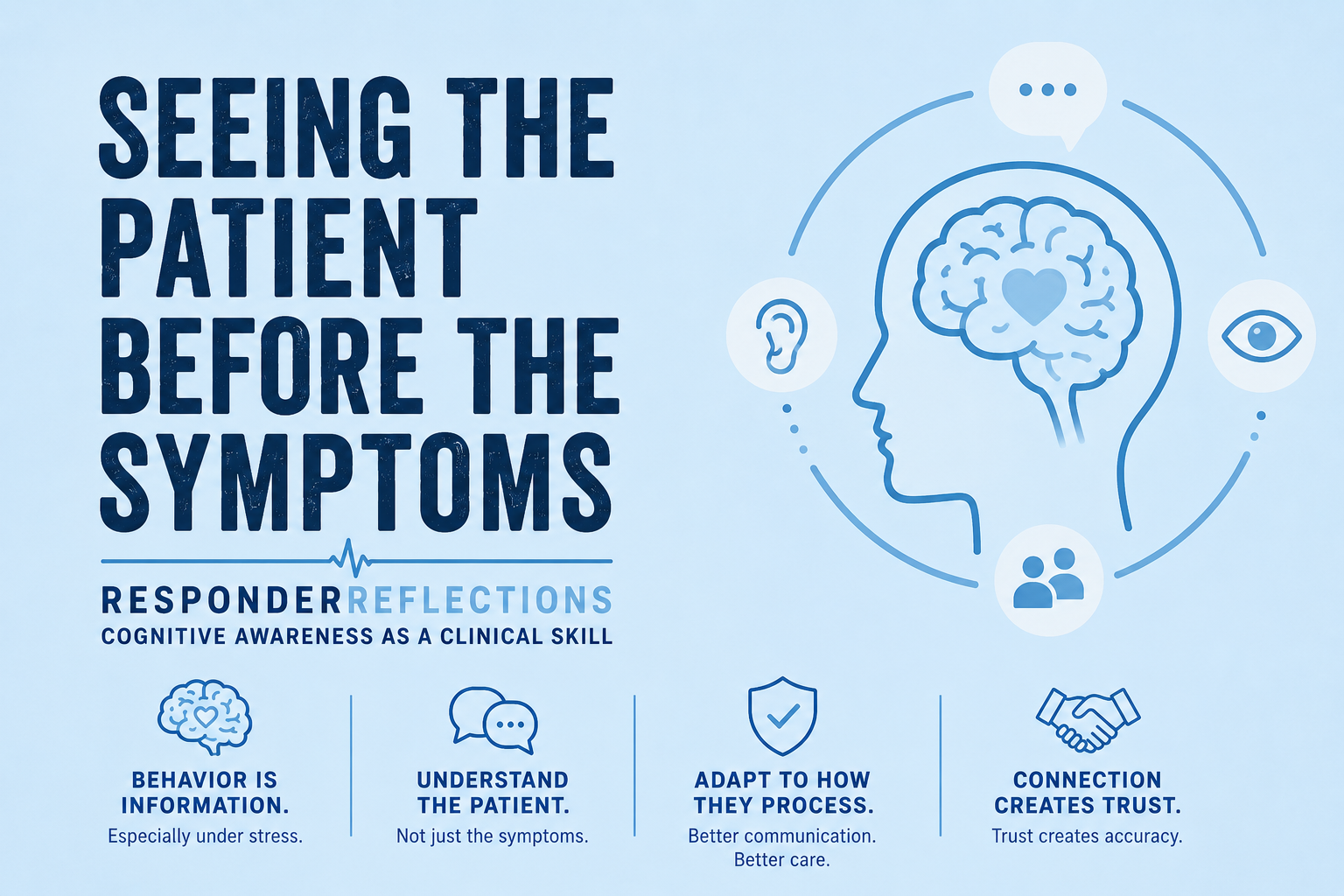
Some patients will challenge you.
Some will question your decisions.
Some will sound critical or distrustful.
This is not always disrespect.
For many neurodivergent patients, questioning equals safety.