
Insight Library
A growing collection of thoughtful writing for students, responders, and leaders.
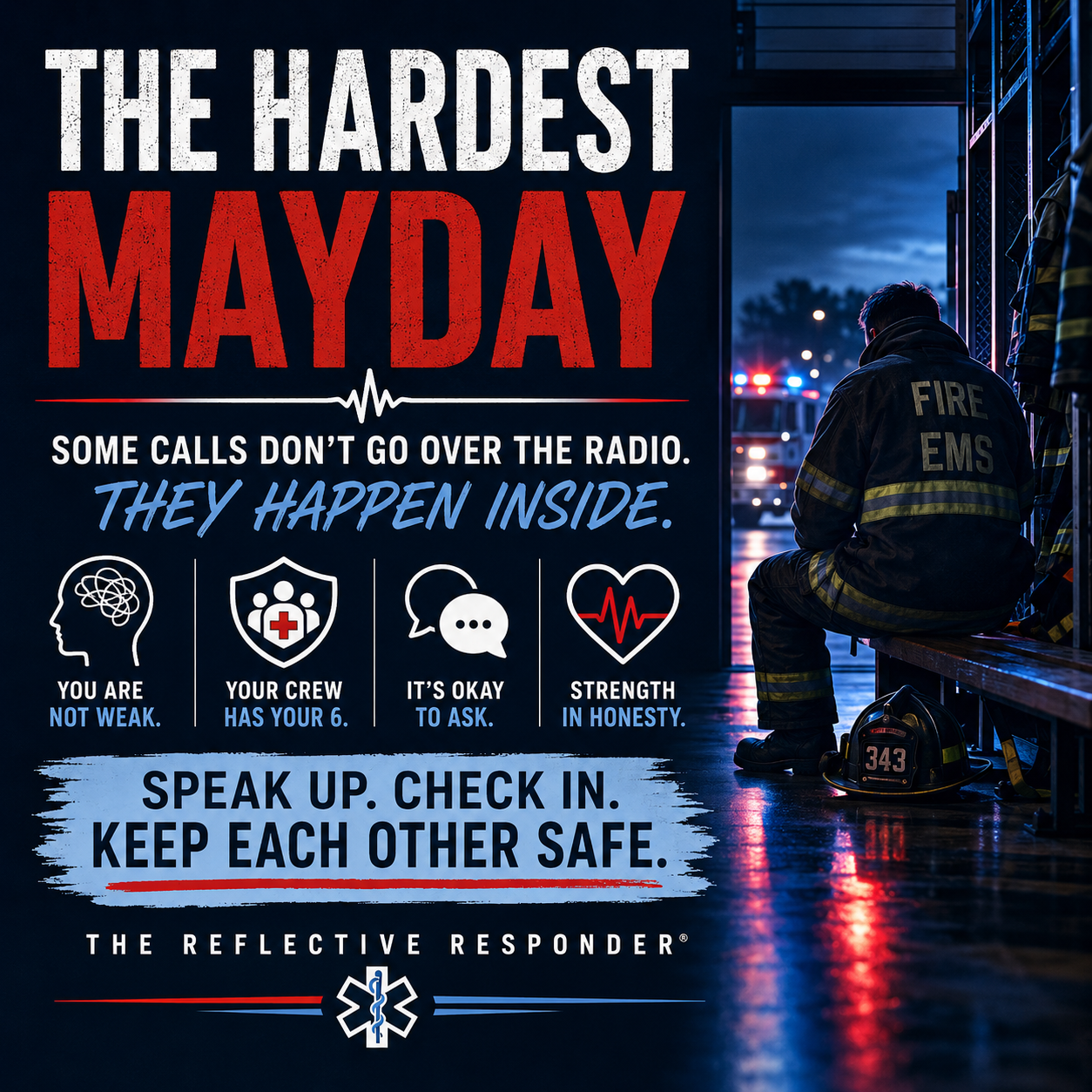
The Hardest Mayday
When you’re wired to solve your own problems, asking for help feels like failure. When you’ve built an identity around competence and control, needing support feels like weakness—even when you’d never judge someone else for it.
So they suffer quietly.
They carry the bad calls home.
They replay decisions in their head at 0300.
They sit in their truck after shift, not ready to go inside yet.
Not because they don’t trust their crew.
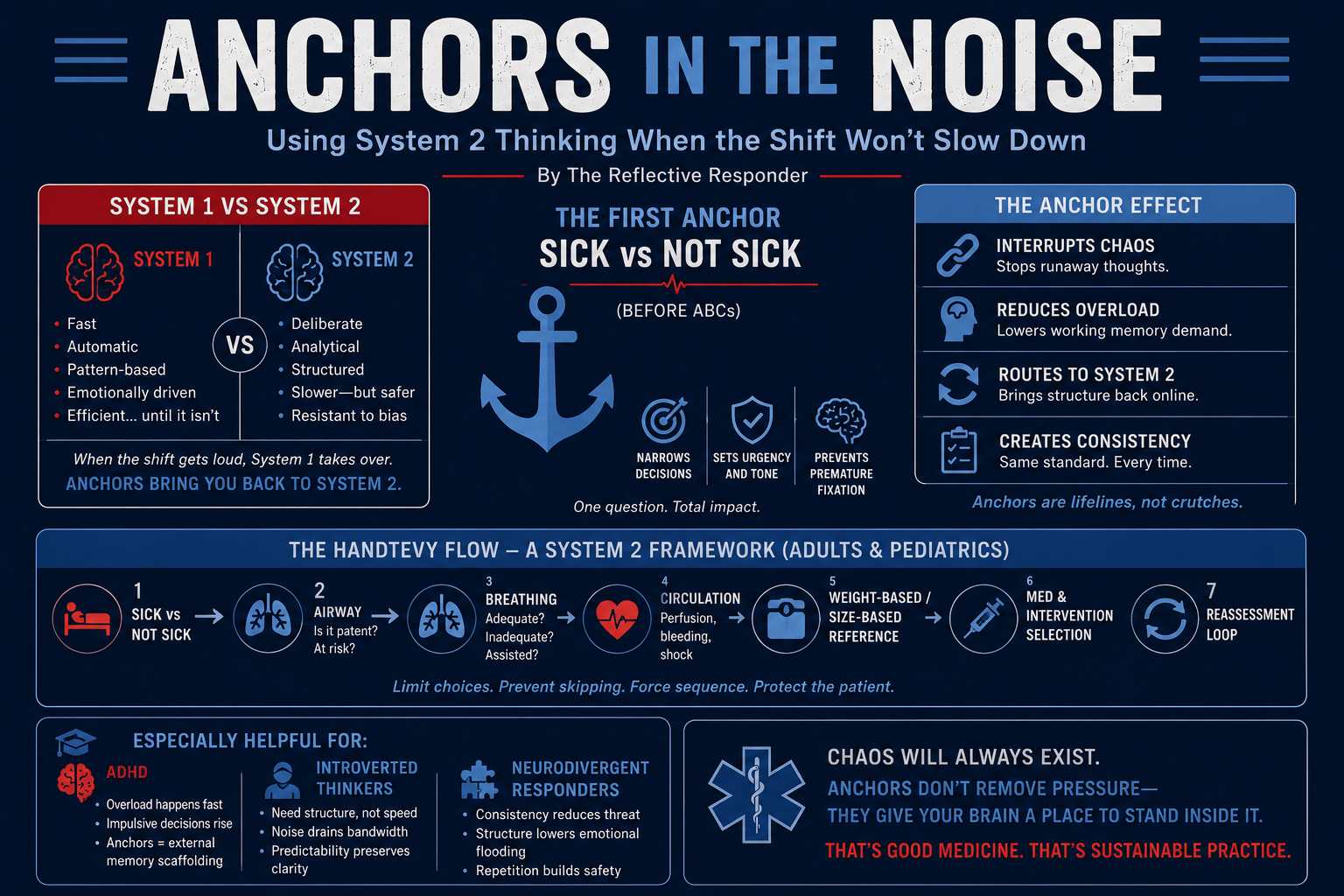
Anchors in the Noise
In the noise of the fireground, clarity saves energy—and sometimes lives. Anchors in the Noise explores how responders use mental, procedural, and physical anchors to stay grounded under pressure, reduce cognitive overload, and make clear decisions when chaos threatens to take over.
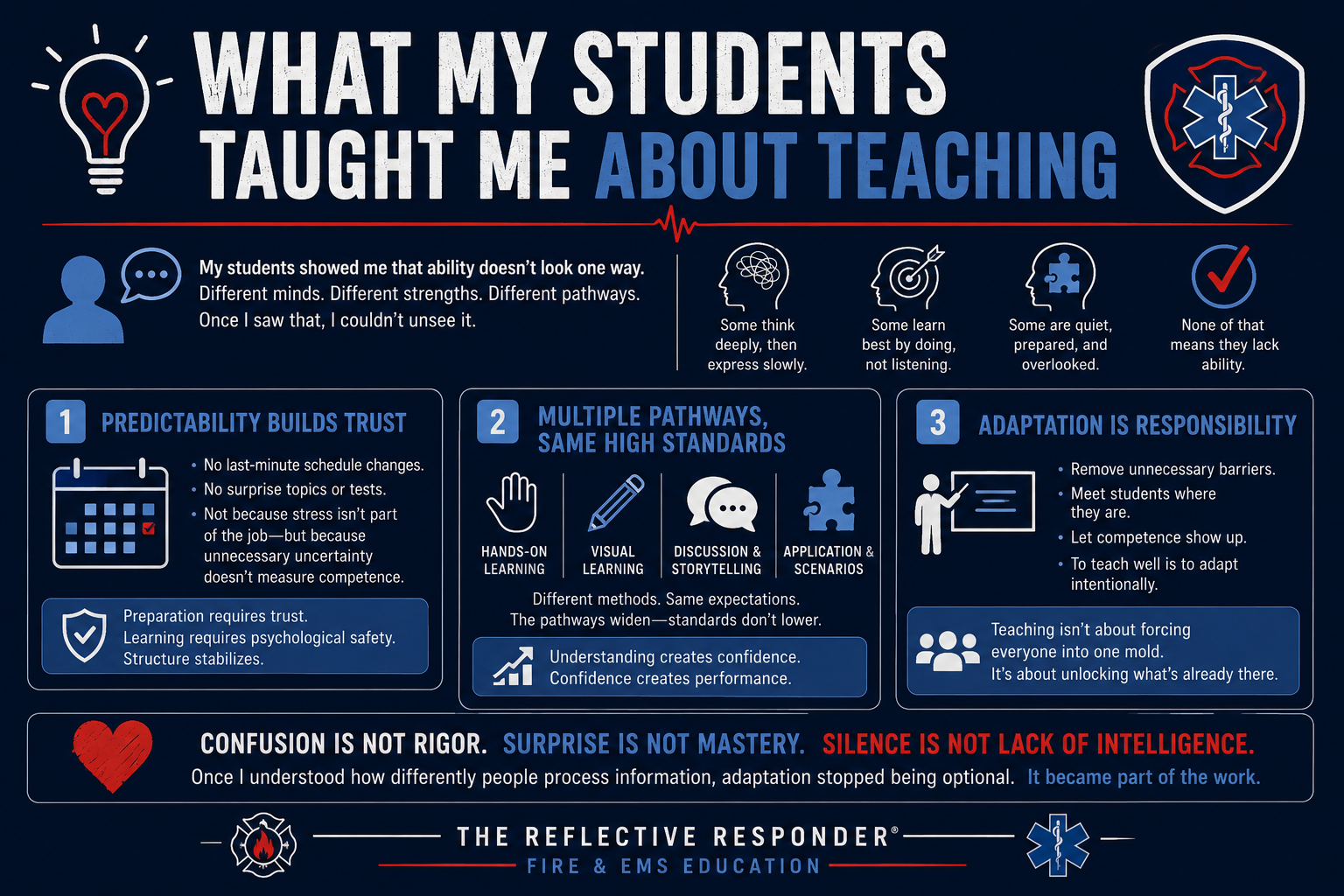
What My Students Taught Me About Teaching
We built things. We traced systems.
We mapped physiology and decision-making visually instead of assuming everyone could translate words into understanding at the same speed.
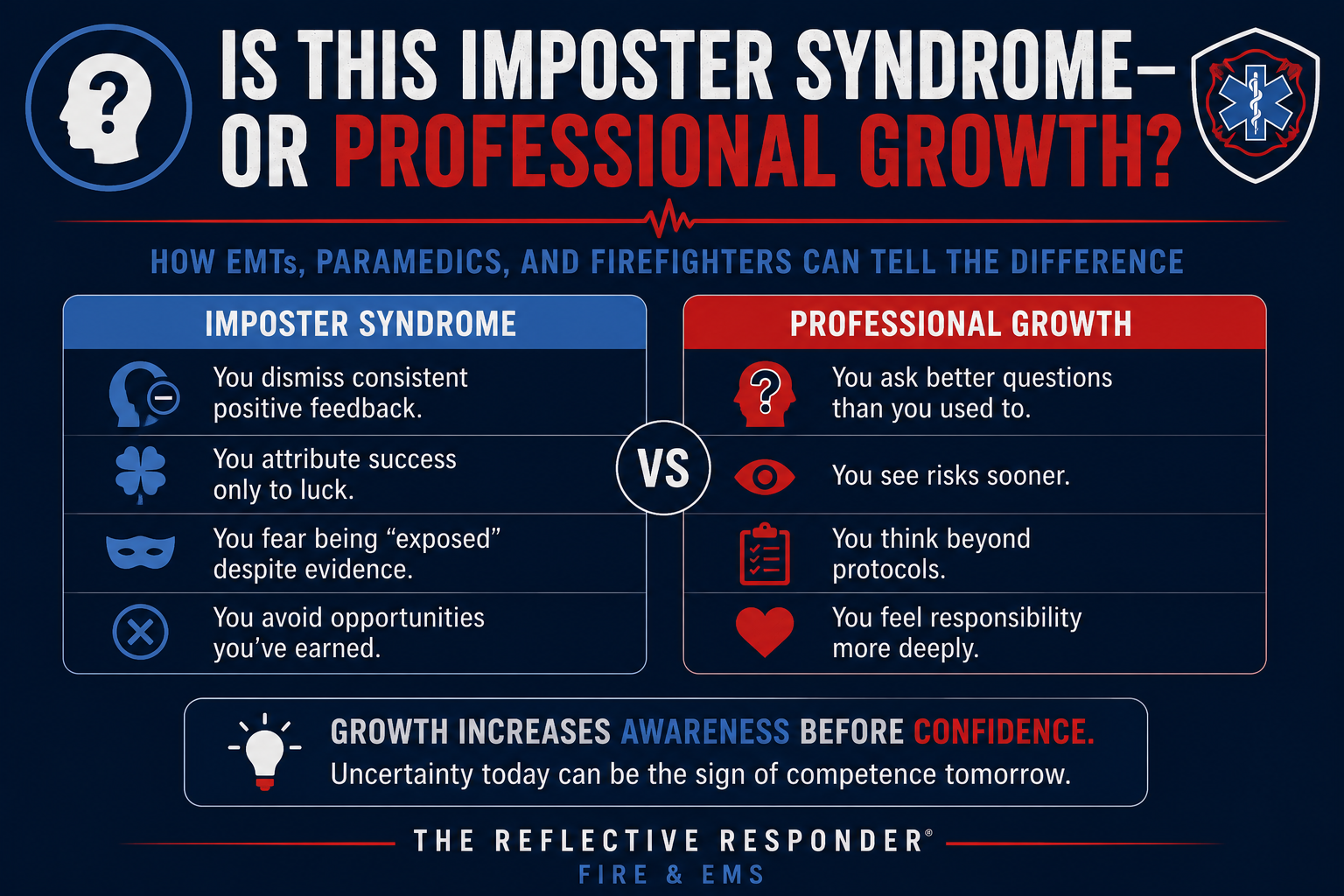
Is This Imposter Syndrome — or Professional Growth?
Not all self-doubt is imposter syndrome. Sometimes it’s growth. This article helps responders and leaders distinguish between unhealthy self-questioning and the normal discomfort that comes with learning, responsibility, and expanding professional identity in the fire and EMS service.
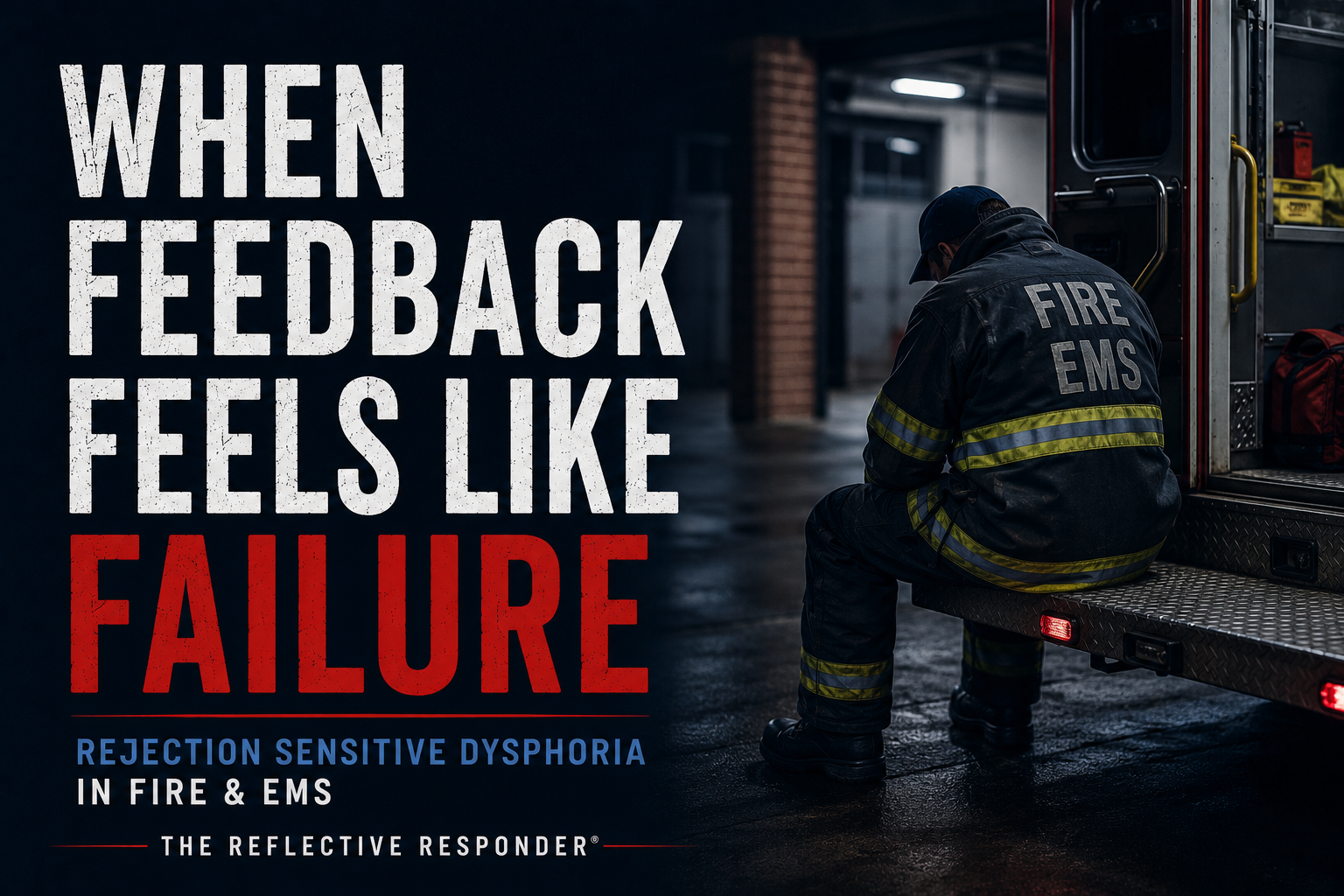
When Feedback Feels Like Failure
Fire and EMS teach us to manage pressure early.
We learn to perform while being watched.
To accept correction without hesitation.
To move forward without explanation.
Mistakes are addressed quickly.
Feedback is direct.
Expectations are high—because lives depend on it.
But for some firefighters and EMS professionals, feedback doesn’t just register as information.
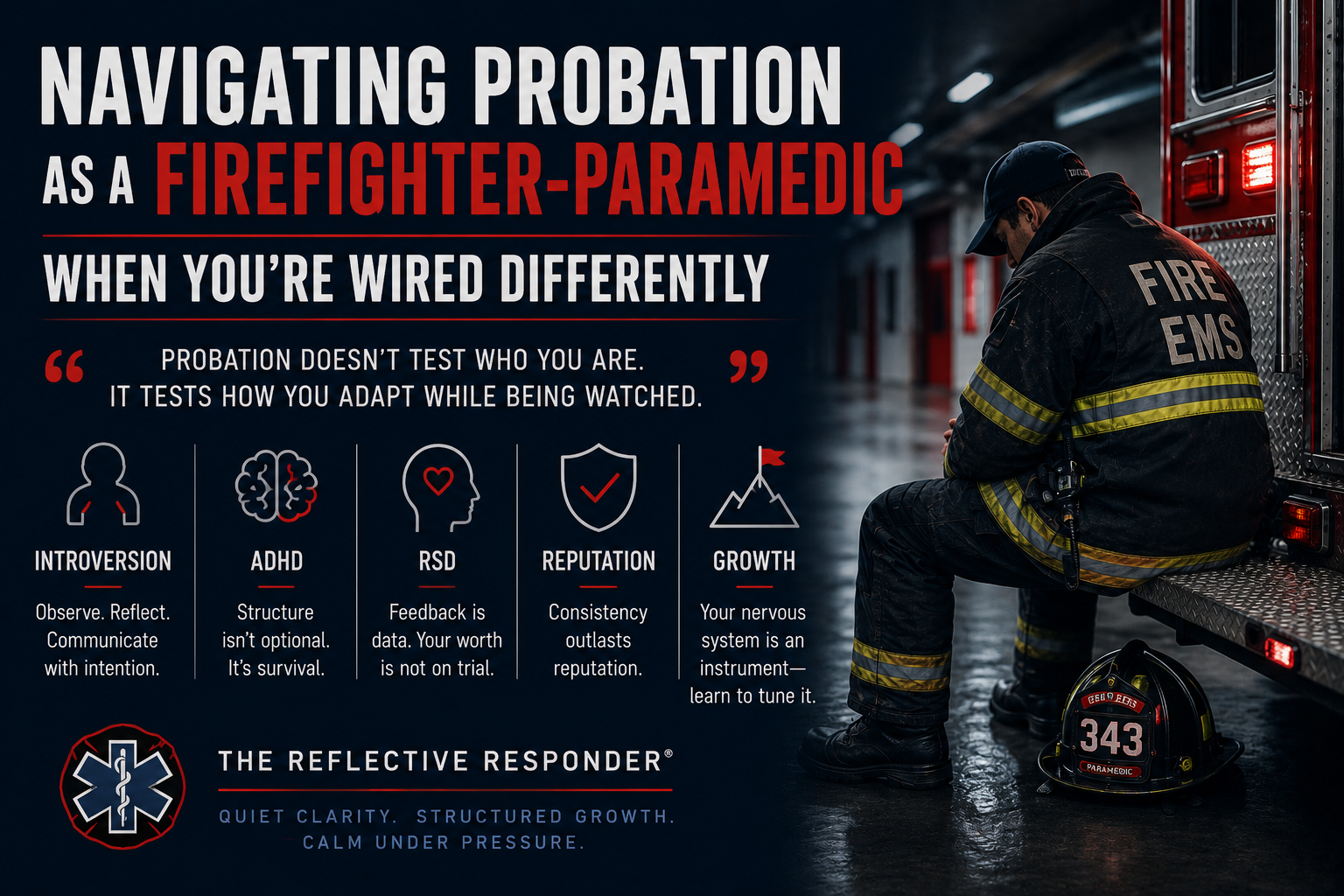
Navigating Probation as a Firefighter-Paramedic When You’re Wired Differently
Probation is not just a test of skill.
It is a test of nervous systems.
For the reflective, introverted, or neurodivergent firefighter-paramedic, probation can feel less like a learning phase and more like constant exposure
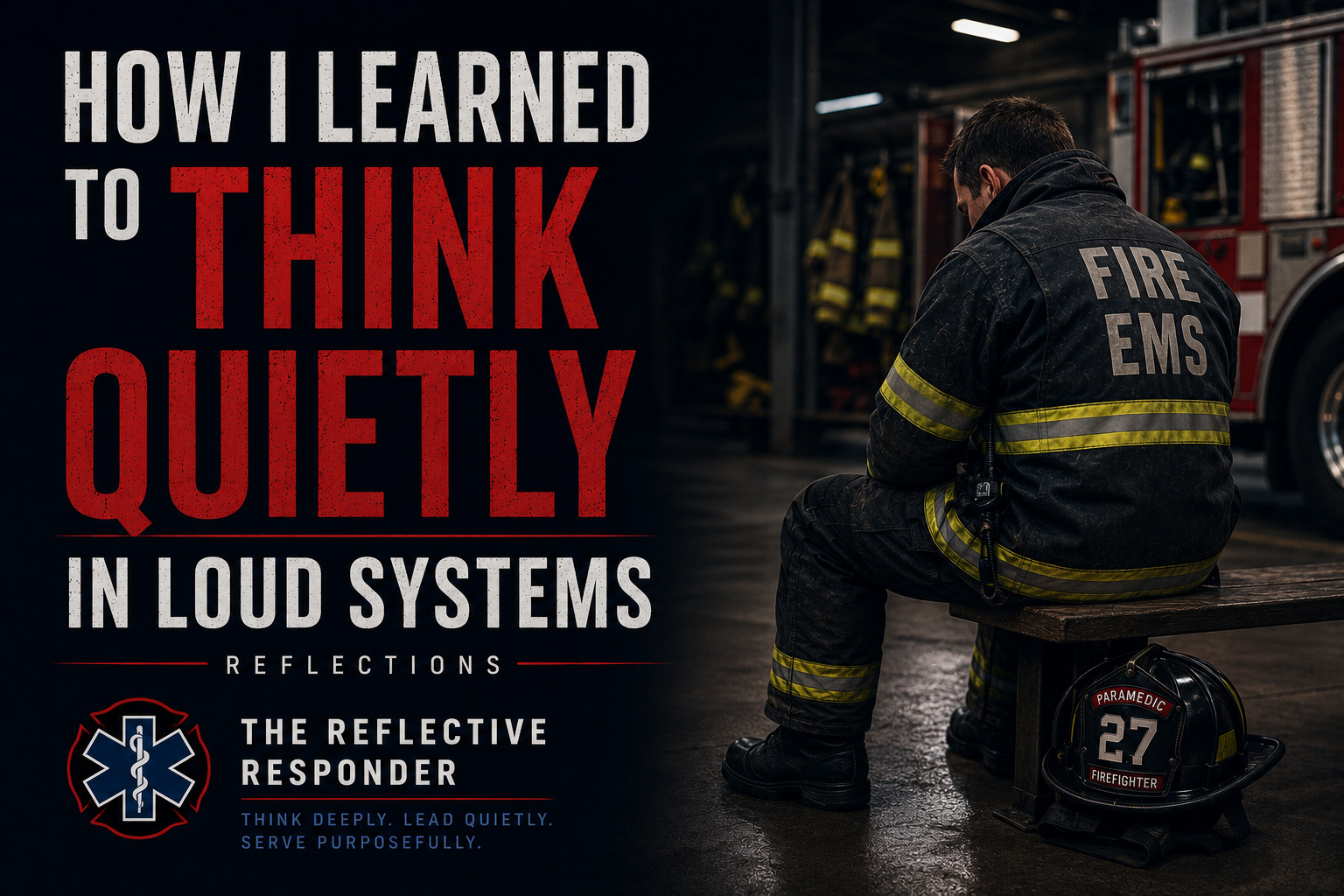
How I Learned to Think Quietly in Loud Systems
Over time, I developed a reputation for strong clinical recognition—EKGs, patient patterns, subtle findings—but also for being rigid, overly particular, or difficult when someone crossed into what I perceived as my role. It was a counterbalance I didn’t fully understand at the time.
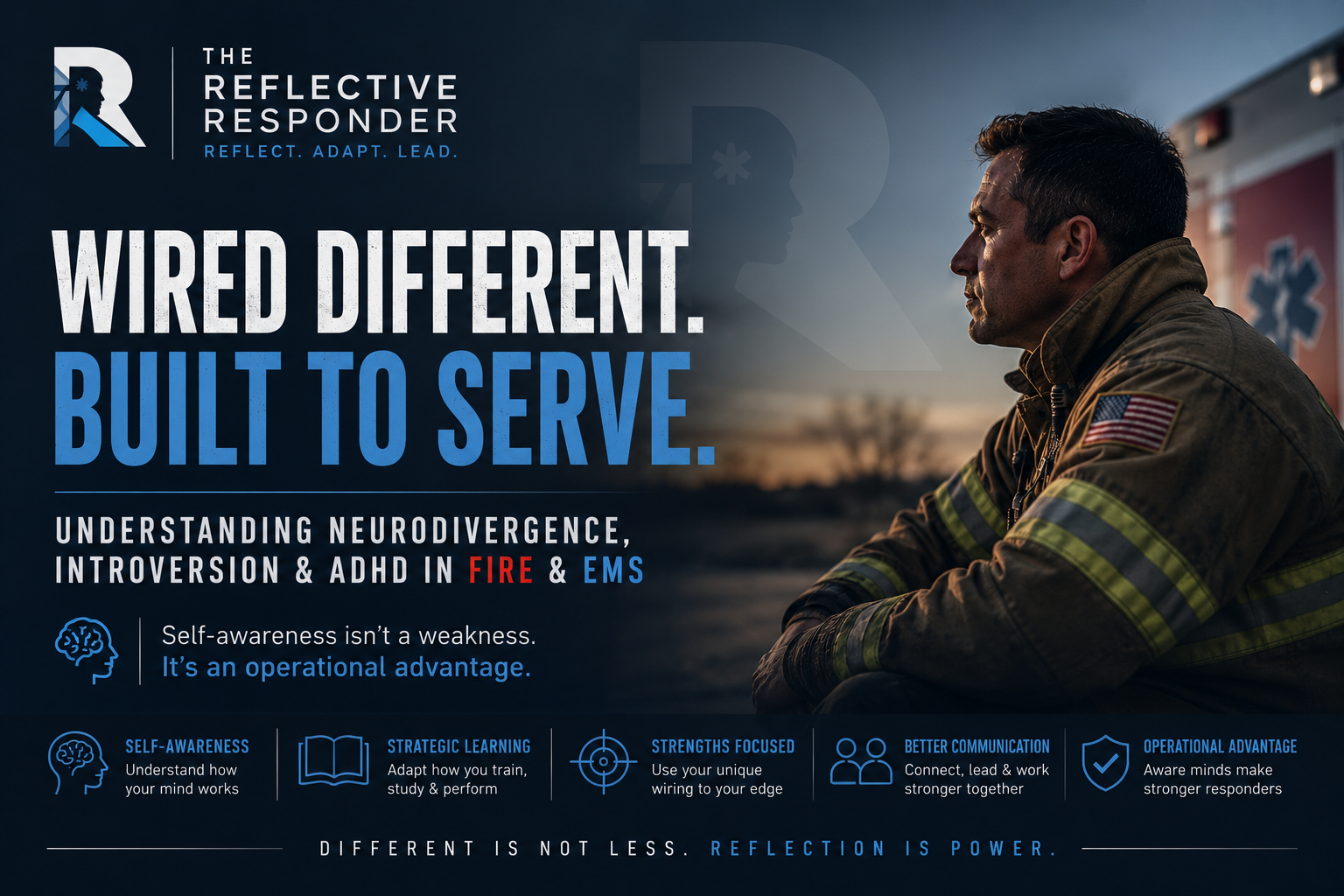
Understanding the Quiet Mind in a Loud Profession
In high-stakes professions, self-awareness is operationally relevant. How you absorb information, respond to feedback, manage stress, and recover from mistakes directly affects performance.
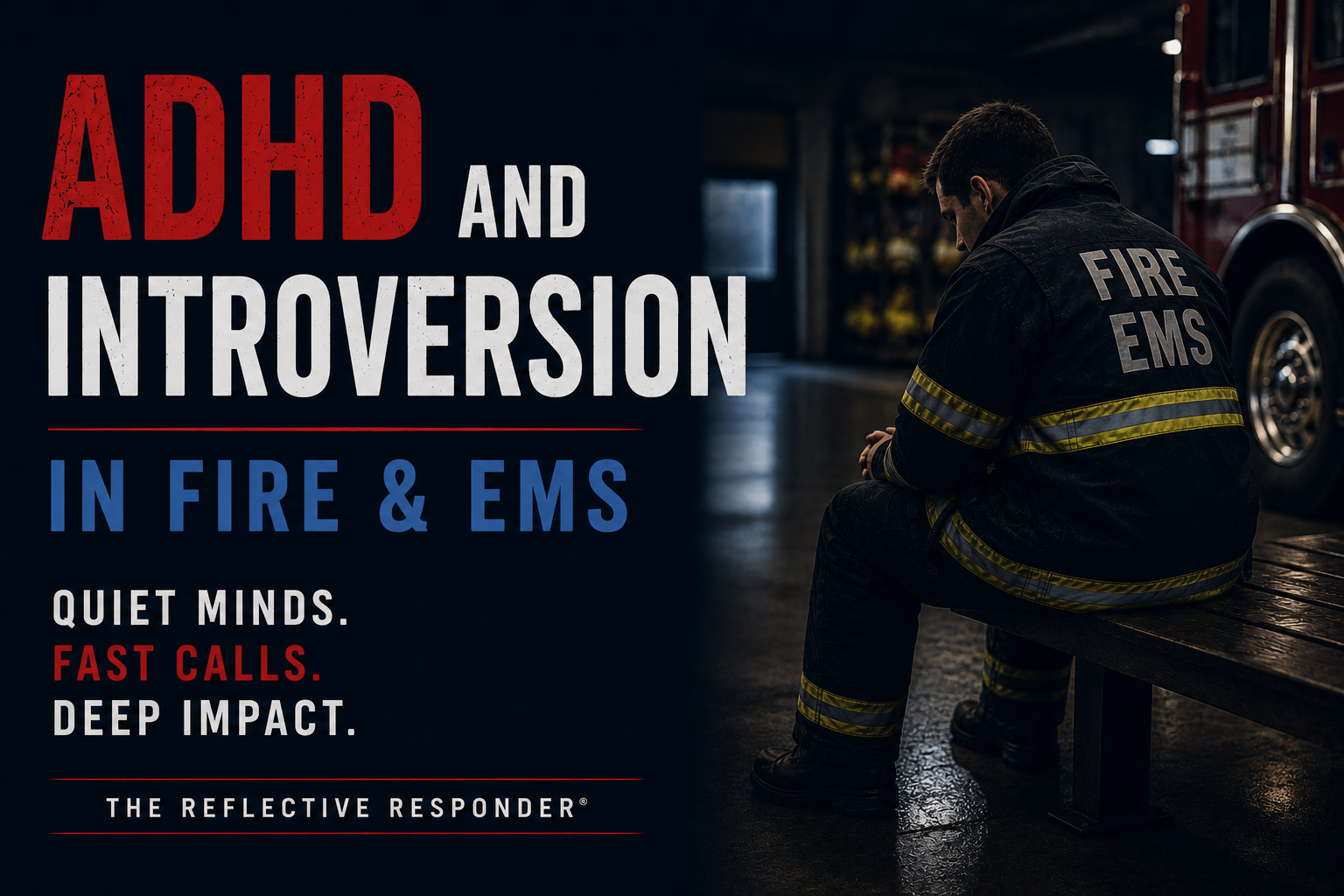
ADHD and Introversion in Fire & EMS
Some of the most capable responders are quieter.
Some think deeply before they speak.
Some carry busy, restless minds behind calm exteriors.