
Insight Library
A growing collection of thoughtful writing for students, responders, and leaders.
When “Soon” Starts to Feel Like Now
Why Do People with ADHD Overthink?
How Introverts Measure Success
The Quiet Movements No One Talks About
You’re sitting in class.
Your leg won’t stop bouncing.
You twist your pen. Click it. Spin it. Tap it.
You rub your thumb against the seam of your glove.
You pace in the bay longer than necessary.
You chew the inside of your cheek during report.
And somewhere in the back of your mind, you think:
Why can’t I just sit still like everyone else?
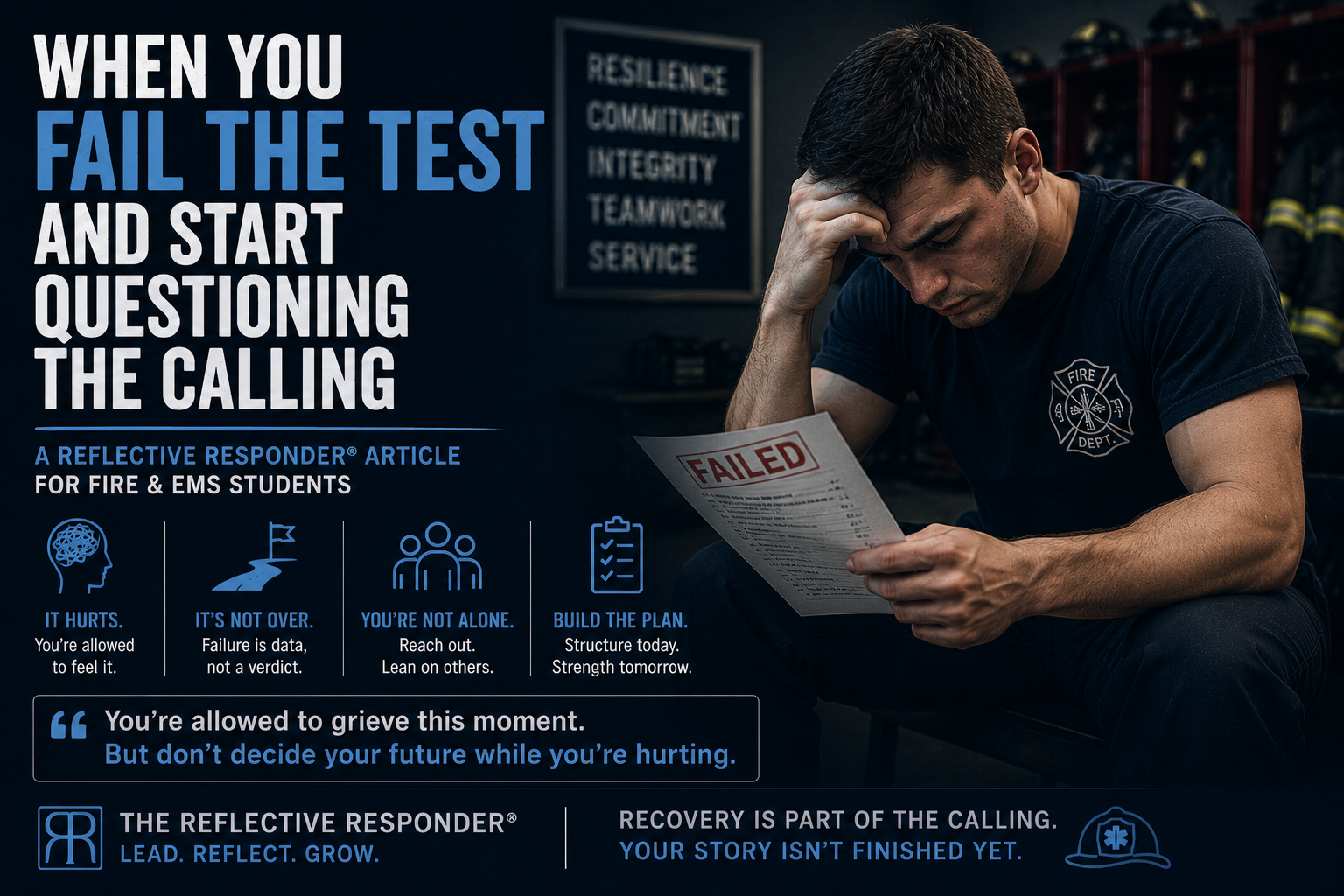
When You Fail the Test and Start Questioning the Calling
No one prepares you for the silence that follows failure.
The moment the entrance exam results come back.
The score you didn’t expect.
The weight in your chest that feels heavier than disappointment—it feels like shame.
You didn’t just fail a test.
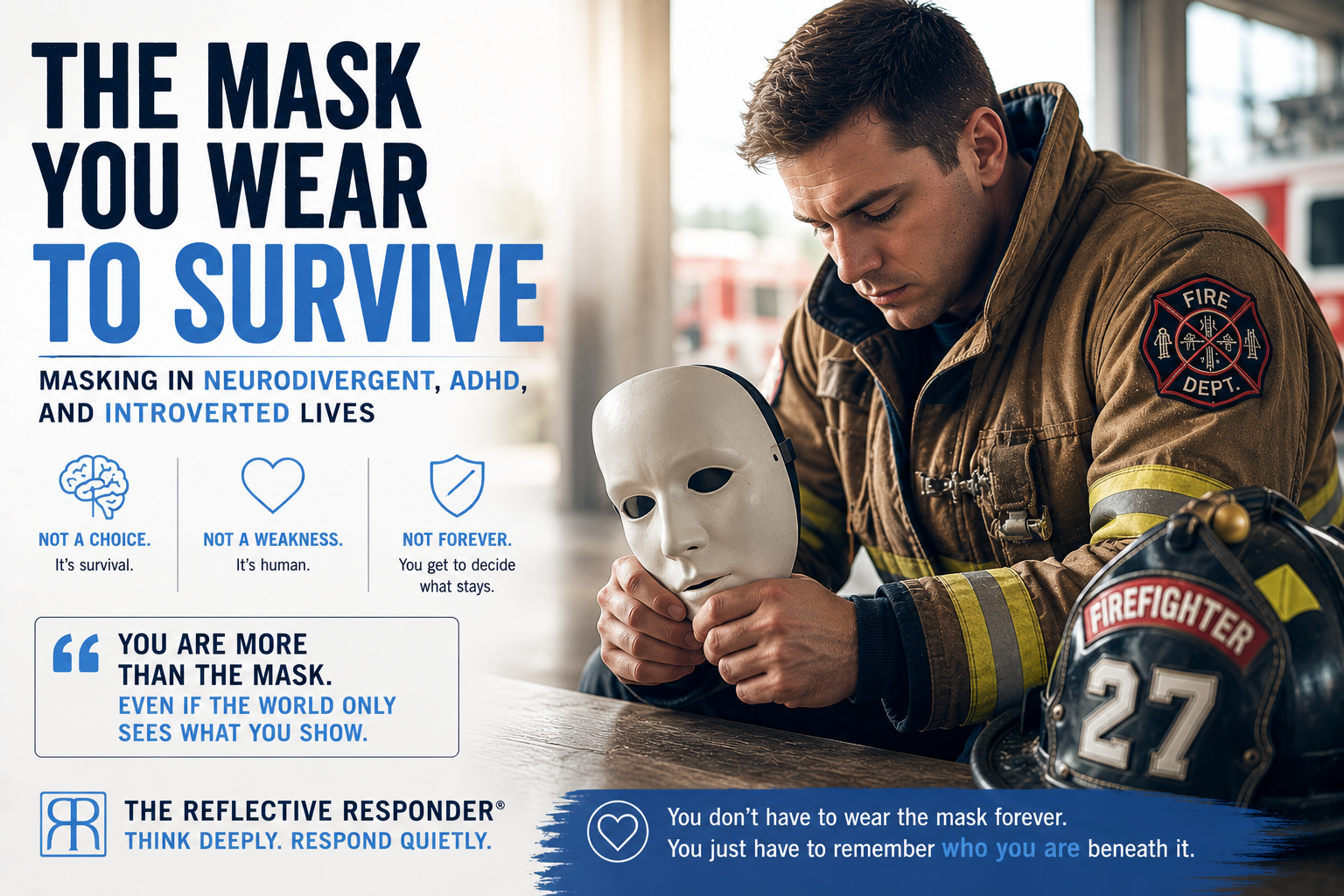
The Mask You Wear to Survive
Many responders learn to mask their true selves to fit expectations and stay safe. This reflection examines the emotional cost of constant performance and the quiet fatigue that comes from hiding who you are.

Why Neurodivergent, ADHD, and Introverted People Are Drawn to Firefighting & EMS
For neurodivergent and introverted minds, Fire and EMS offer structure, purpose, and clear roles. This article explores why the job can feel like home—and why it can also become uniquely draining.

The Reflective Responder Method™
The Reflective Responder Method is about slowing down your thinking without slowing your response—building clarity, resilience, and trust in a profession that rarely allows space to pause.
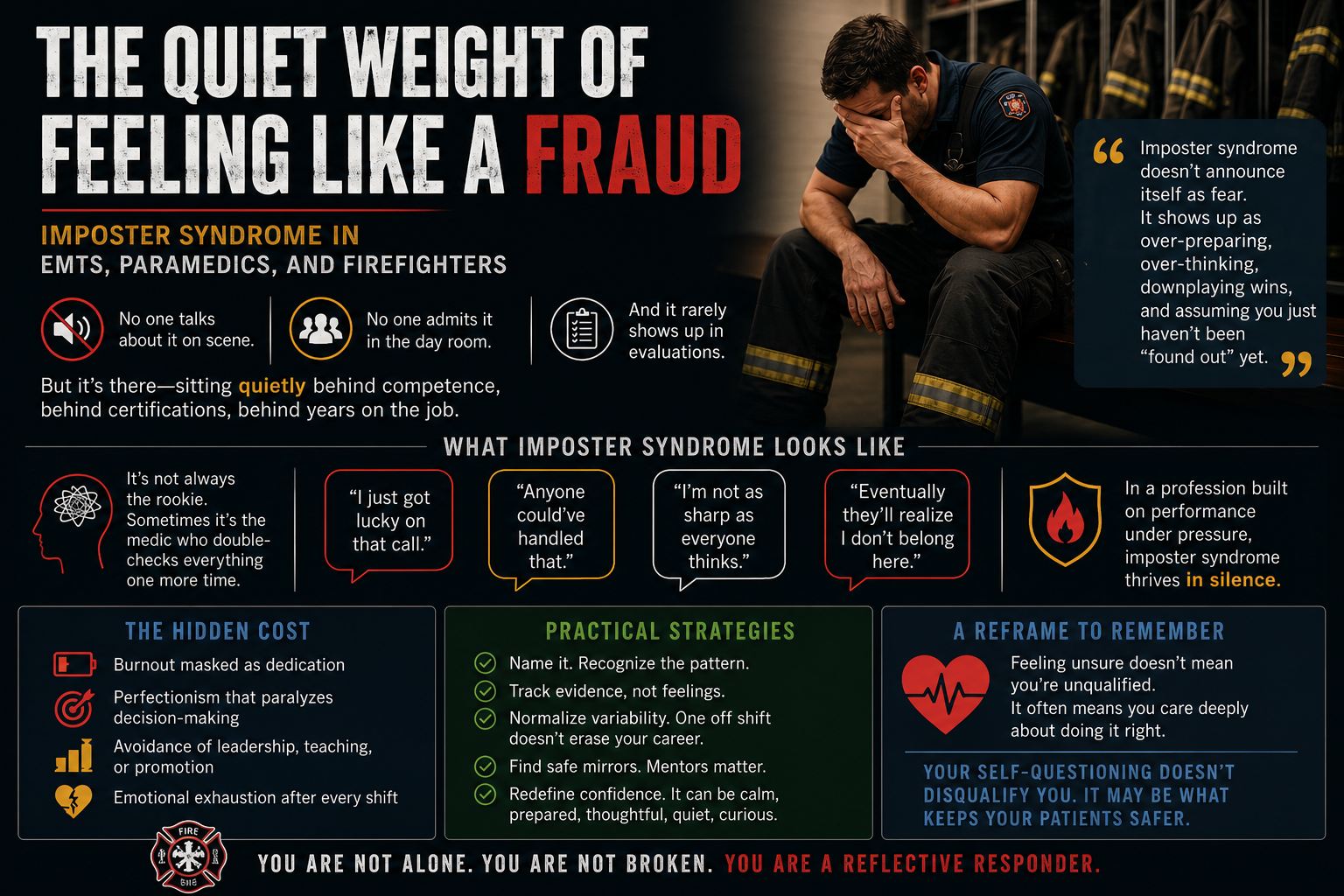
The Quiet Weight of Feeling Like a Fraud
Feeling like a fraud in the firehouse rarely shows up as doubt—it shows up as overpreparation, silence, and carrying more than your share. This article explores the quiet weight of imposter feelings in firefighters and EMS professionals, and why competence often hides behind self-questioning.
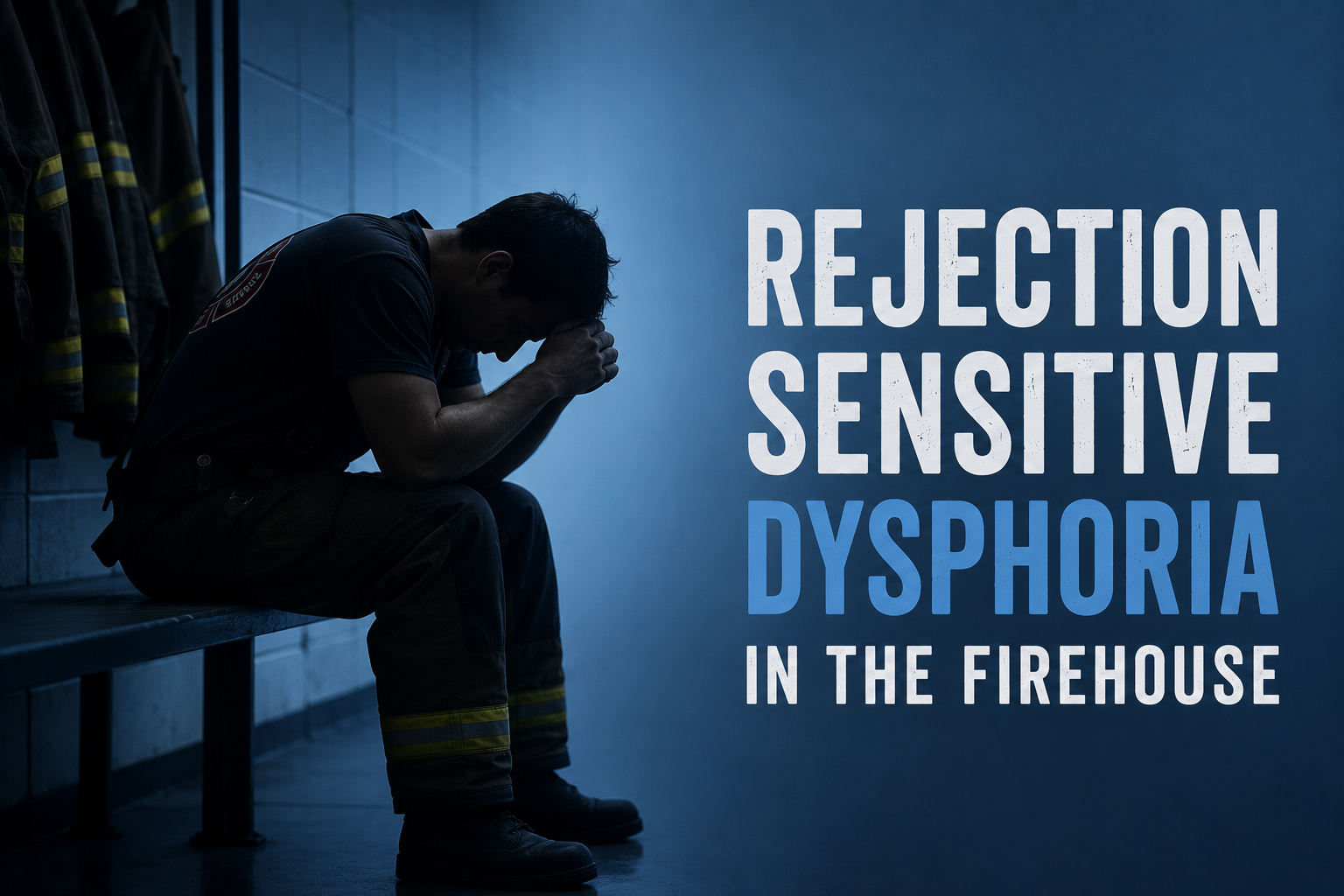
Rejection Sensitive Dysphoria (RSD) in the Firehouse
Rejection Sensitive Dysphoria often hides behind overperformance, withdrawal, or silence in the firehouse. This article explores how RSD shows up in firefighters, why feedback can feel overwhelming, and how awareness—not toughness—creates safer crews and healthier leadership.
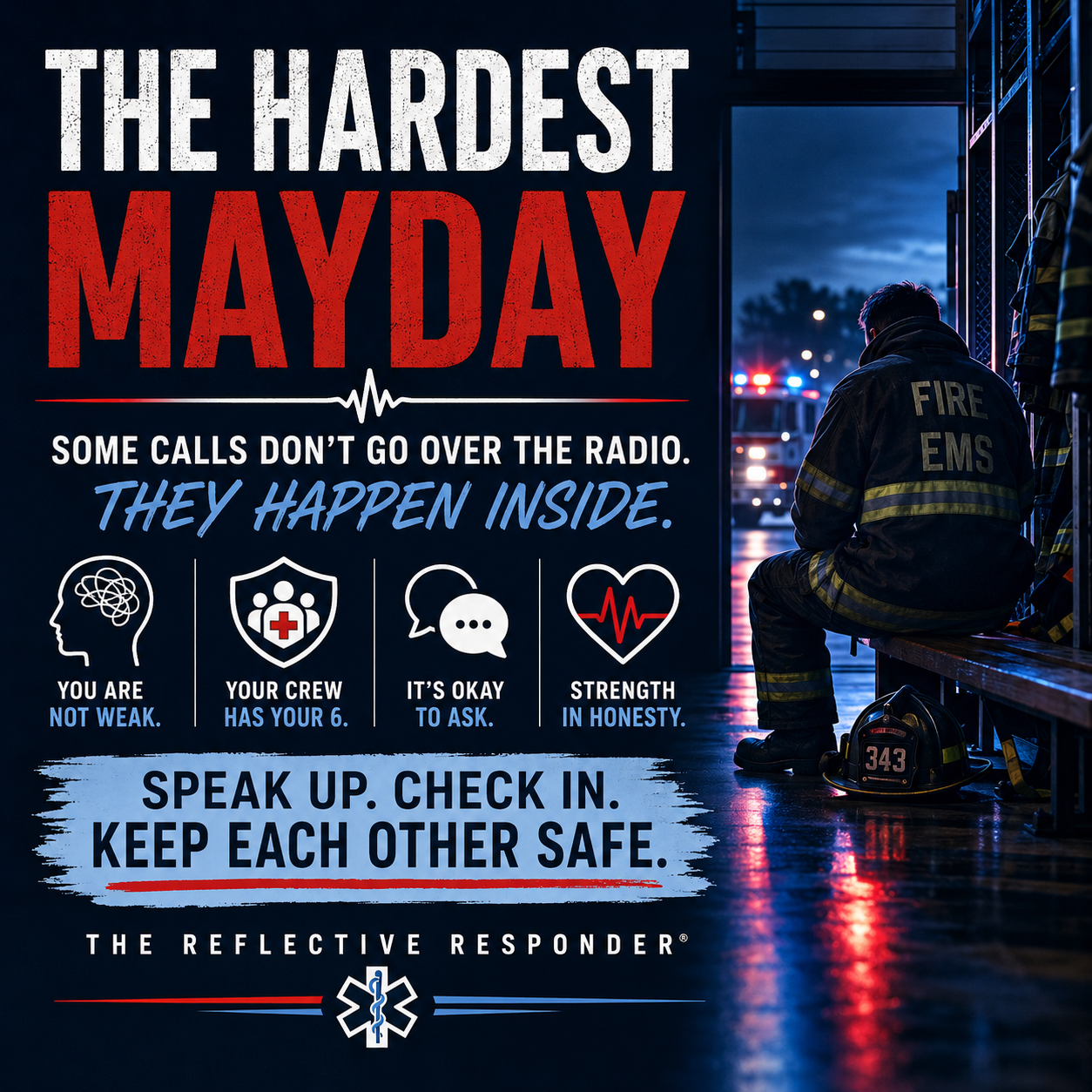
The Hardest Mayday
When you’re wired to solve your own problems, asking for help feels like failure. When you’ve built an identity around competence and control, needing support feels like weakness—even when you’d never judge someone else for it.
So they suffer quietly.
They carry the bad calls home.
They replay decisions in their head at 0300.
They sit in their truck after shift, not ready to go inside yet.
Not because they don’t trust their crew.
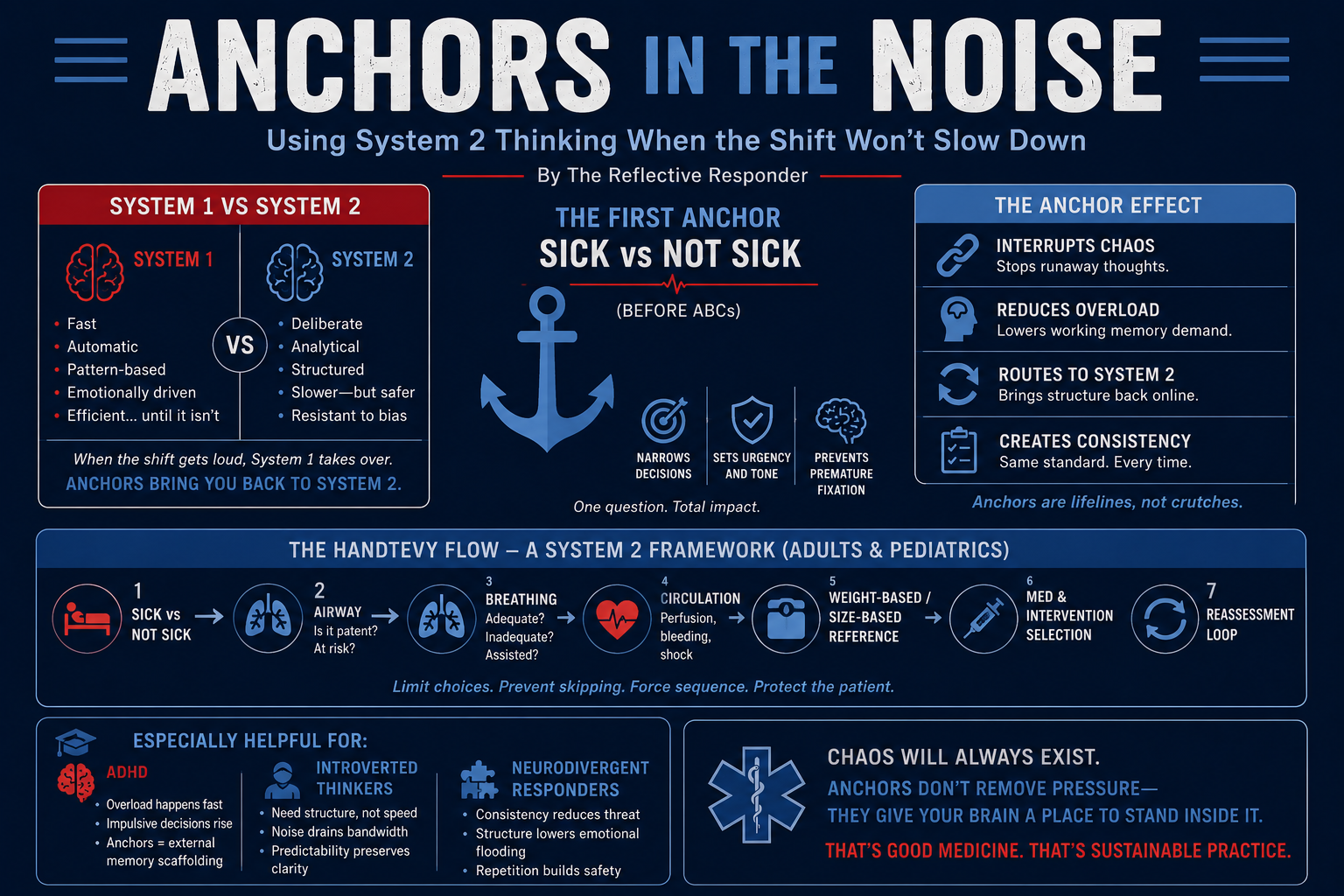
Anchors in the Noise
In the noise of the fireground, clarity saves energy—and sometimes lives. Anchors in the Noise explores how responders use mental, procedural, and physical anchors to stay grounded under pressure, reduce cognitive overload, and make clear decisions when chaos threatens to take over.
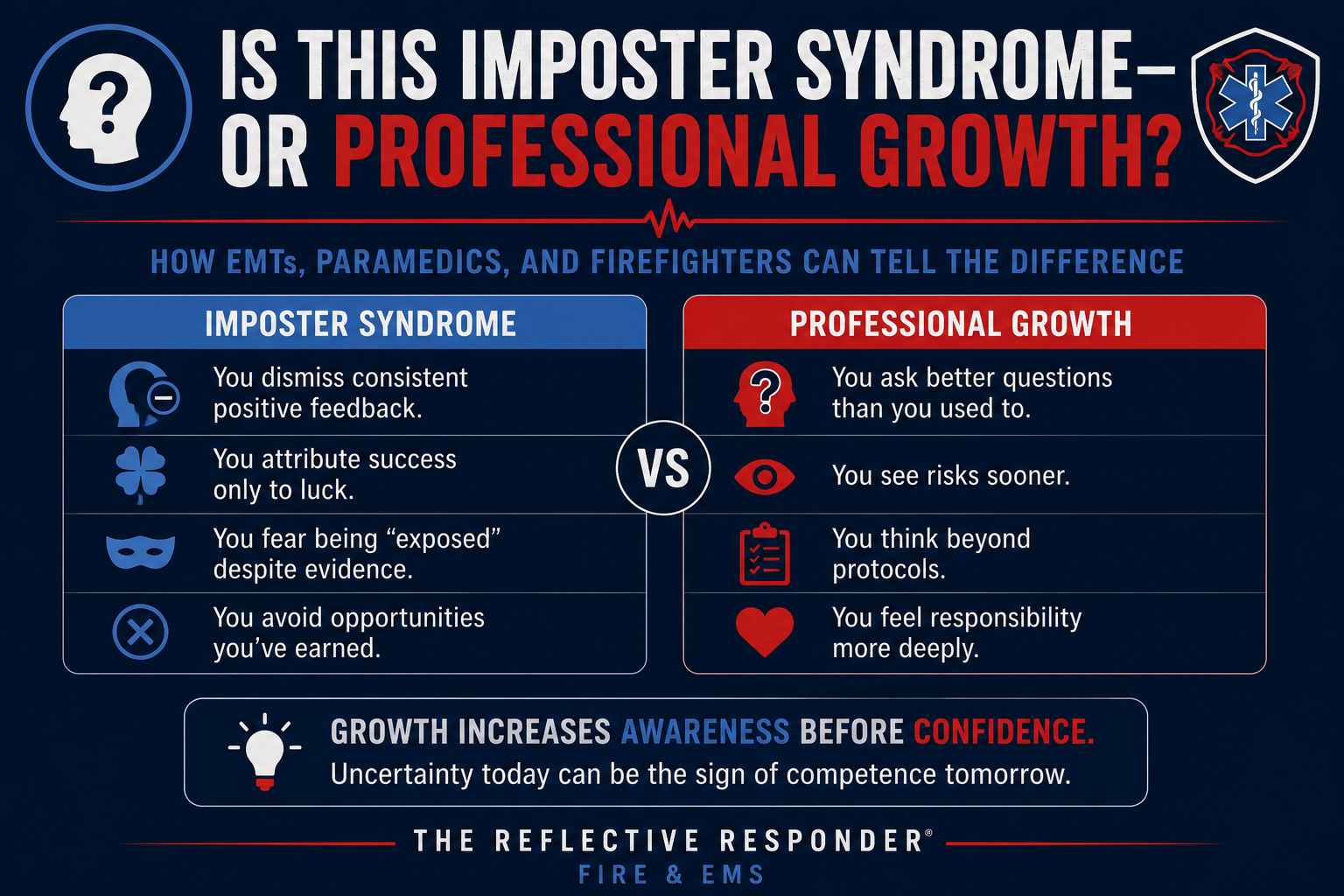
Is This Imposter Syndrome — or Professional Growth?
Not all self-doubt is imposter syndrome. Sometimes it’s growth. This article helps responders and leaders distinguish between unhealthy self-questioning and the normal discomfort that comes with learning, responsibility, and expanding professional identity in the fire and EMS service.